Life at High Altitudes: The World's Highest Mountain Cities
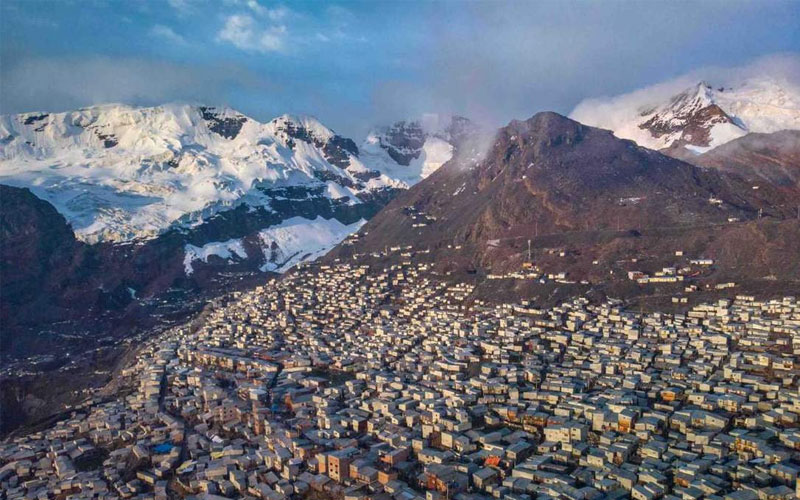
Living thousands of meters above sea level presents extreme challenges for most people. However, hundreds of thousands, and even millions, of individuals worldwide reside permanently in mountainous regions characterized by thin air, low oxygen levels, and harsh climates. Experts attribute the adaptation of these populations to such environments to biological and genetic changes that have occurred within their bodies. These adaptations allow them to thrive despite the physiological demands of high-altitude living. The unique living conditions in these cities have fostered distinct physiological traits among their inhabitants. This phenomenon highlights the remarkable resilience and adaptability of the human species. Further research into these populations could offer insights into human physiology and potential medical advancements.
The existence of high-altitude settlements demonstrates humanity's capacity for adaptation to extreme environmental conditions. This phenomenon raises questions about the long-term health implications and the genetic predispositions that enable survival and well-being at such altitudes. Understanding these adaptations could inform strategies for human habitation in challenging environments, both on Earth and potentially beyond. It also prompts consideration of the socio-economic factors that lead populations to inhabit these regions, despite the inherent difficulties, and how these communities might evolve in the face of climate change and increasing global connectivity.
AI-generated to prompt reflection — not editorial opinion, not advice, not a statement of fact. How this works.