Life in a Medieval French Castle: Internet Woes and Endless Chores
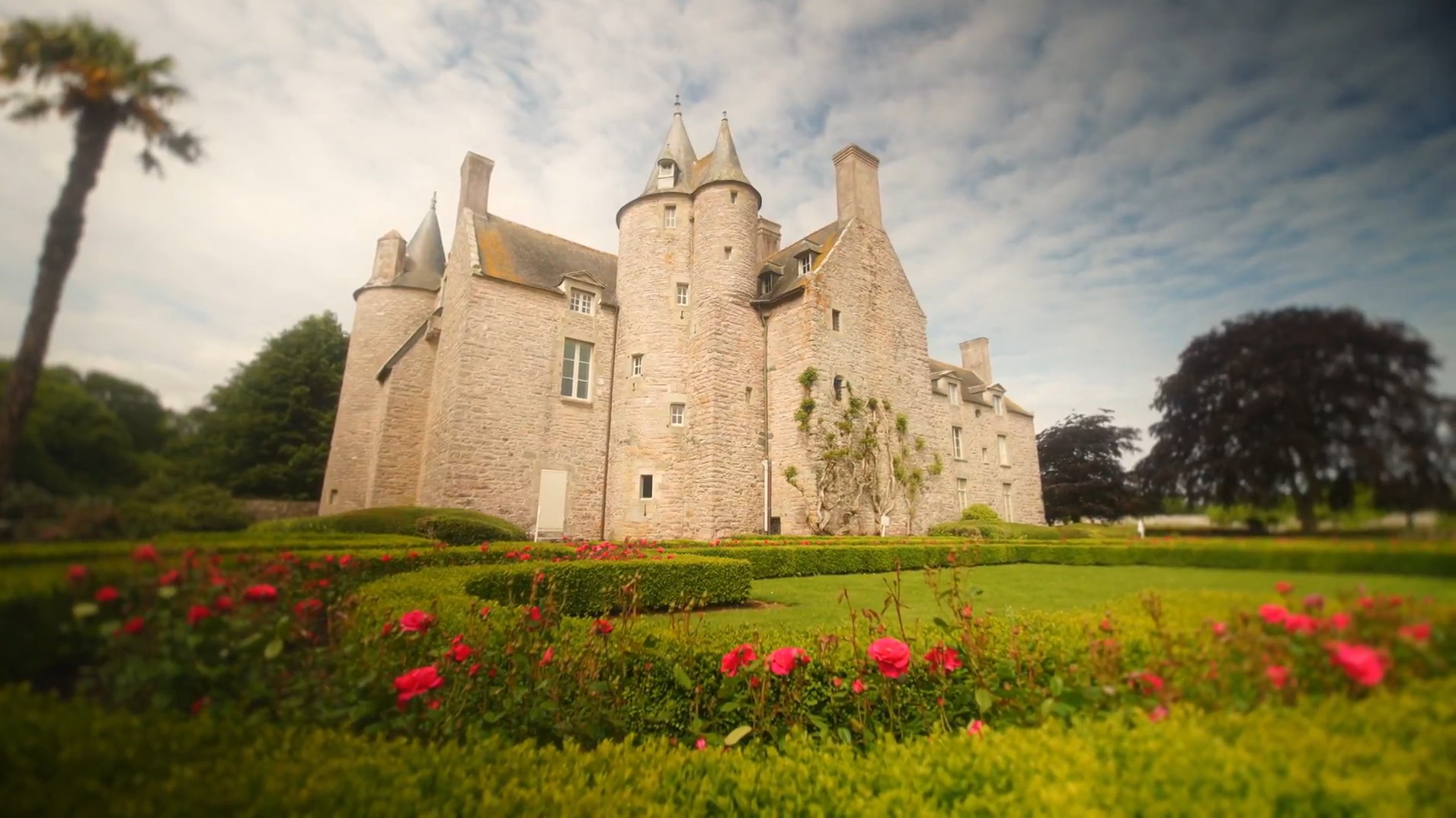
Living in the 12th-century Château de Bienassis in northern France presents a stark contrast to fairytale expectations for the family residing there. The sprawling estate, covering over a thousand square meters with numerous rooms, gardens, stables, and ancient walls, poses significant daily challenges. One major issue is the extremely poor internet connectivity within the stone walls, with only satellite service being somewhat functional, as noted by a visiting news crew. Maintaining such a vast historical property demands constant, full-time dedication from all residents, involving tasks like cleaning large halls, tending to stables, and feeding numerous animals. For Pierrive, one of the owners, the castle is a self-sustaining 'ecosystem' where living and working are intertwined. The daily routine includes extensive gardening, animal care, building maintenance, and property organization, requiring meticulous planning for even simple activities like fetching an ingredient from the garden, which can involve walking hundreds of meters. The family, including Nathalie and Pierrive, relocated from Paris after inheriting the castle. While they appreciate the rural lifestyle, enjoying fresh air, open spaces, and freedom with their dogs, they also acknowledge the isolation from urban conveniences and friends. Their unique living situation was also a notable topic of conversation among their children at school. To support the upkeep and preservation of the nearly thousand-year-old heritage site, Nathalie and Pierrive have transitioned to managing the property full-time, assisted by five employees. The family has opened the castle to the public, offering tours of the gardens and some halls during the week, and hosting events like weddings and cultural performances. This approach aims to ensure the castle remains a regional heritage asset rather than an exclusive privilege, sustaining its existence through continuous daily effort.
The narrative highlights the inherent tension between preserving historical grandeur and adapting to modern living standards. The significant infrastructure challenges, such as poor internet connectivity within ancient structures, underscore the ongoing need for innovative solutions in heritage management. The family's approach of integrating public access and events demonstrates a viable model for financial sustainability, transforming a private residence into a community asset. This situation prompts reflection on the long-term viability of maintaining large historical estates in an era of increasing technological demands and evolving societal expectations regarding accessibility and convenience. The family's dedication illustrates a profound commitment to heritage, balancing personal lifestyle sacrifices with the broader cultural imperative of preservation.
AI-generated to prompt reflection — not editorial opinion, not advice, not a statement of fact. How this works.