Life in Formerly Enclaved Territories: A Look at the Residents
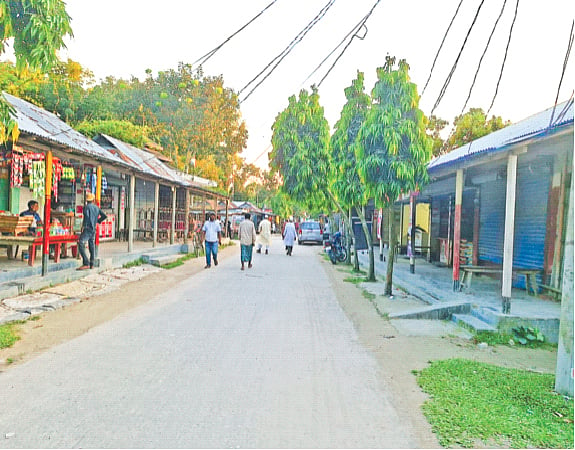
The term 'enclave' historically referred to isolated territories of one country situated within the borders of another, surrounded by a neighboring state. Between Bangladesh and India, there were 162 such enclaves. These unique geographical arrangements created complex administrative and social challenges for the residents living within them. The exchange of these enclaves between the two nations aimed to resolve long-standing issues related to citizenship, land rights, and access to basic services for the affected populations. The process involved the transfer of sovereignty over these territories, fundamentally altering the lives of those who resided there. Residents of these former enclaves now live under the governance of the country to which their territory was transferred. This transition has brought about changes in their legal status, access to national infrastructure, and integration into the broader society of their new nation. The long-term impact of this exchange on the socio-economic well-being and cultural identity of the former enclave dwellers is a subject of ongoing observation and analysis.
The historical existence of enclaves between Bangladesh and India highlights a unique geopolitical legacy of past border demarcations. The resolution of these territorial disputes through the exchange of enclaves aimed to provide greater clarity on citizenship and governance for the affected populations. This process, while resolving a territorial anomaly, likely introduced new integration challenges for the former enclave residents as they adapted to new national systems and identities. Examining the long-term socio-economic outcomes for these communities offers insights into the effectiveness of state-led integration policies and the resilience of individuals in adapting to significant geopolitical changes. Understanding these past transitions can inform future approaches to border management and the rights of populations in disputed or historically complex territories.
AI-generated to prompt reflection — not editorial opinion, not advice, not a statement of fact. How this works.