Life in Iraq's extreme heat: Children play at 4 AM when temperatures hit 53°C
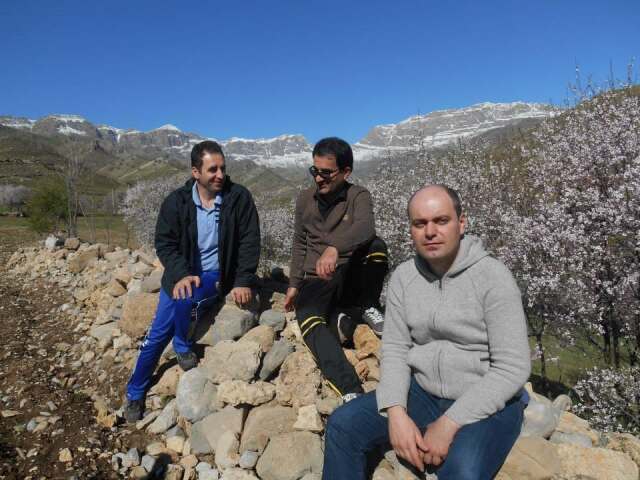
Summers in Iraqi Kurdistan are characterized by extreme heat, with temperatures often exceeding 50 degrees Celsius. During these periods, state employees are granted time off work, and the streets become largely deserted. Daily life shifts to the cooler hours of the night as people adapt to the intense daytime heat. Vladislav Vojtovič, a Slovak national, lived in Iraqi Kurdistan between 2012 and 2014 and experienced these unique summer conditions firsthand. His account comes at a time when Slovakia is bracing for its own heatwave, with temperatures expected to reach up to 38 degrees Celsius. This contrast highlights the vastly different climatic challenges faced by populations globally, and the adaptive strategies employed in response to severe heat.
The account from Iraqi Kurdistan illustrates the extreme adaptive measures required by populations in regions facing severe heat stress, a phenomenon projected to intensify globally due to climate change. While Slovakia anticipates temperatures of 38°C, Iraqi Kurdistan's experience with 53°C demonstrates a stark difference in environmental challenges. This highlights the varying capacities of different regions to manage extreme heat, impacting public life, infrastructure, and daily routines. As global temperatures rise, understanding these adaptive strategies and the underlying systemic vulnerabilities will be crucial for urban planning, public health policies, and ensuring societal resilience in the face of escalating climate impacts. The economic and social implications of such extreme conditions, including potential disruptions to work and public services, warrant consideration for future preparedness.
AI-generated to prompt reflection — not editorial opinion, not advice, not a statement of fact. How this works.