Lightning Strike Survivor: Forensic Pathologist Explains the Science and Aftermath
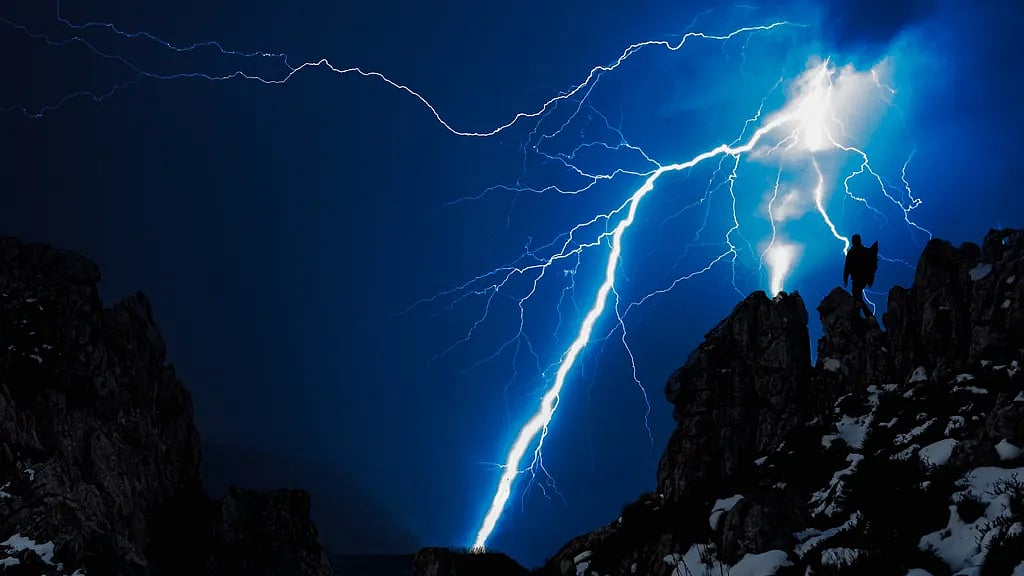
Forensic pathologist Ryan Blumenthal, who investigates mysterious deaths, became fascinated with lightning after examining a victim whose injuries were initially suspected to be from foul play but were ultimately caused by a lightning strike. Blumenthal is now a leading global expert on lightning and has shared crucial information about its effects on the human body. A lightning strike can carry hundreds of thousands of volts, often causing immediate cardiac arrest by disrupting the heart's electrical signals. The intense air pressure from the strike can rupture eardrums and temporarily disable the respiratory system, while the heat can ignite clothing or hair, leading to severe burns. Despite its immense power, with temperatures reaching up to 27,776 degrees Celsius (five times hotter than the sun's surface), most people struck by lightning, around 90%, survive. However, survivors often face lasting consequences. Research by Mary Ann Cooper indicates that lightning can cause significant neurological damage, leading to attention deficits, impaired judgment, and chronic anxiety. Some survivors experience memory loss, persistent pain, and depression, with some even reporting unusual mental abilities. A striking visual phenomenon observed in some survivors is the appearance of Lichtenberg figures, fern-like patterns on the skin caused by the electrical current damaging blood vessels. While these patterns are typically painless and temporary, they serve as a stark reminder of the strike's internal impact. The incident of Roy Sullivan, a U.S. park ranger who survived seven lightning strikes between 1942 and 1977, highlights the unpredictable nature of these events, though tragically, he later died by suicide at age 72. Steve Mashburn, another survivor, founded an international support organization for lightning strike victims, emphasizing that while physical wounds may heal, the neurological and psychological trauma can be a long and difficult recovery process. It is important to note that direct lightning strikes account for only 3-5% of incidents; the majority (over 80%) occur due to side flashes or ground currents. Increased public awareness and safety measures, such as seeking shelter promptly and waiting at least 30 minutes after the last thunder before exiting, have significantly reduced fatalities in countries like the United States, where deaths have decreased from an average of 55 per year to 19 in 2022. The decline in natural lightning rods like tall trees in some regions has, however, increased risks in open areas.
Lightning strikes, while rare, represent a powerful intersection of atmospheric physics and human vulnerability. The extreme energy transfer involved can cause immediate physiological trauma, but the long-term neurological and psychological sequelae are often underestimated. The phenomenon of Lichtenberg figures, while visually striking, underscores the internal vascular damage that can occur. The survival of individuals like Roy Sullivan, who endured multiple strikes, contrasts sharply with the tragic outcome of his later suicide, prompting reflection on the profound psychological burden that can accompany extreme physical trauma. The shift in lightning-related fatalities from direct strikes to indirect effects like ground current and side flashes highlights the importance of understanding the complex pathways of electrical discharge. Public health initiatives emphasizing awareness and shelter-seeking are critical, especially as environmental changes may alter the landscape's natural protective features. Future research could explore the long-term efficacy of neurological and psychological support for survivors, and the potential for technological advancements to mitigate the risks associated with increasingly unpredictable weather patterns.
AI-generated to prompt reflection — not editorial opinion, not advice, not a statement of fact. How this works.