Lightning Strikes Chinese Rocket Mid-Launch, But Mission Succeeds
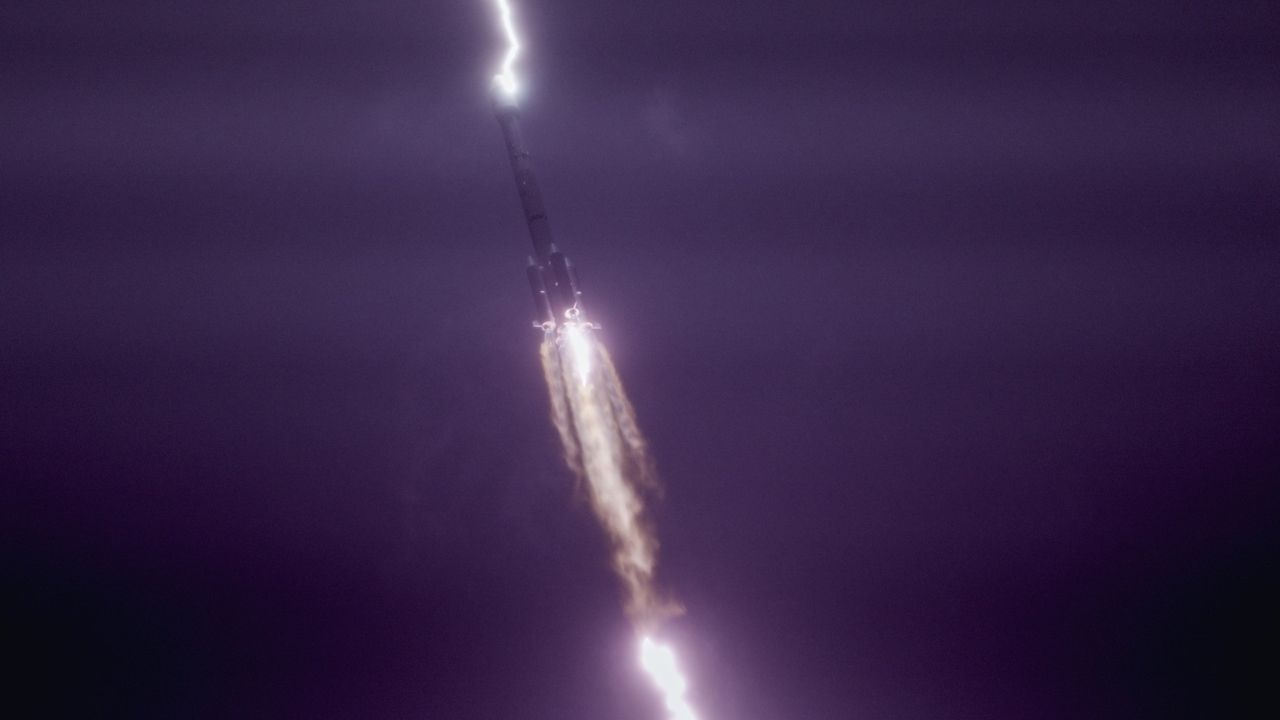
A Chinese Long March-3B rocket experienced a lightning strike shortly after its liftoff this week. Despite the dramatic encounter with the electrical discharge, the rocket successfully completed its mission. The launch ultimately placed its satellite payload into orbit as planned. The incident highlights the resilience of modern rocketry and the robust design measures incorporated into launch vehicles. While rare, such events underscore the complex environmental factors that can influence space launches. The successful orbital insertion demonstrates the effectiveness of the rocket's systems in overcoming unexpected challenges during ascent. Further details regarding the specific timing of the lightning strike relative to liftoff and the exact nature of the rocket's response were not provided. However, the primary objective of deploying the satellite was achieved without apparent compromise.
The successful launch of the Long March-3B rocket, even after being struck by lightning, demonstrates the advanced engineering and redundancy built into space launch systems. This event underscores the industry's capacity to mitigate risks associated with atmospheric phenomena. Future launch system designs may further incorporate enhanced shielding or real-time trajectory adjustments to counter such unpredictable environmental factors, potentially increasing launch success rates and reducing mission costs. The incident also prompts consideration of how such resilience can be applied to other complex technological systems operating in challenging environments.
AI-generated to prompt reflection — not editorial opinion, not advice, not a statement of fact. How this works.