Limeira Boat Shop Under Investigation for Alleged Scams Causing Hundreds of Thousands in Losses
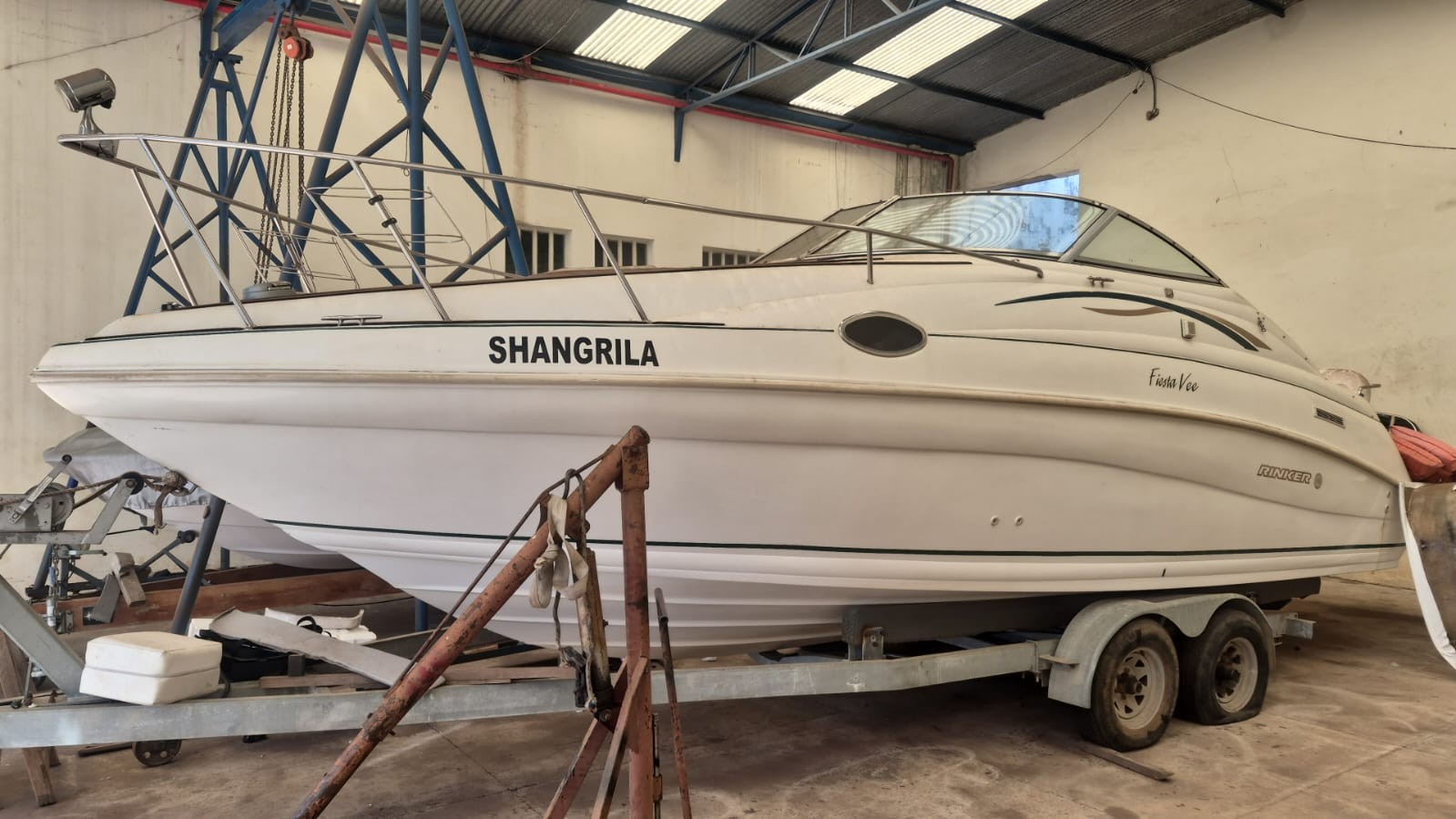
Police in Limeira, São Paulo, are investigating a boat and nautical equipment shop suspected of defrauding customers. During an operation dubbed "Barco Furado" (Hollow Boat), authorities seized 15 vessels of unproven origin, including speedboats and aluminum boats, along with a jet ski and eight outboard motors. The 63-year-old owner was arrested for possessing an unregistered .38 caliber revolver and for alleged fraudulent activities. Investigators found approximately R$ 6,540 in cash, eight blank checks, bank cards, and the owner's cell phone at the premises.
The business, reportedly operating for about three years, allegedly lured customers for boat purchases, motor sales, or maintenance services. Victims reportedly made advance payments via Pix or check, only to never receive the products or services. In cases where customers left their own equipment for service, it was allegedly retained without justification. The total financial damages to victims are estimated to exceed "hundreds of thousands of reais," with the exact number of victims and total losses still being calculated.
When confronted, suspects allegedly provided excuses like supplier delays or health issues and ceased contact. Some victims were reportedly prevented from entering the establishment to retrieve their belongings. The investigation also revealed the use of third-party bank accounts, including those of family members, for receiving payments, a tactic possibly employed to conceal the illicit financial flows. Currently, seven police reports and three civil lawsuits have been filed against the company, with authorities anticipating more complaints following public disclosure of the case. The seized electronic devices and financial documents will undergo forensic analysis to trace the scheme's monetary operations.
This investigation into a boat dealership highlights recurring patterns of consumer fraud, where advance payments for goods and services are allegedly misappropriated. The alleged use of third-party accounts suggests an attempt to obfuscate financial trails, a common tactic in fraudulent schemes aiming to evade detection and asset recovery. From a systemic perspective, such incidents underscore the importance of robust consumer protection mechanisms and due diligence for financial transactions, particularly in sectors involving high-value goods. The long-term implications involve erosion of trust in legitimate businesses and potential legislative reviews to strengthen oversight and enforcement against such predatory practices, especially as digital payment methods become more prevalent.
AI-generated to prompt reflection — not editorial opinion, not advice, not a statement of fact. How this works.