Limited War with the US: A More Palatable Option Than Peace for Iranian Leaders?
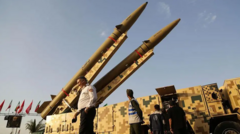
An unexpected attack by Iran on a U.S. base in Jordan recently disrupted a period of direct conflict between the two nations. This action effectively ended a pause in hostilities and prompted Washington to resume strikes within Iran. The underlying rationale for such a move, particularly when viewed against the backdrop of potential peace, suggests a complex strategic calculation by Iranian leadership. The choice to engage in limited conflict, rather than de-escalate, may be perceived by Tehran as a more advantageous path forward, despite the immediate risks and consequences. This approach could be aimed at achieving specific objectives without triggering a full-scale war, a delicate balancing act in the current geopolitical climate. The decision highlights a potential preference for controlled confrontation over diplomatic resolution, signaling a strategic orientation that prioritizes certain outcomes achievable through limited military engagement.
The Iranian leadership's decision to initiate a limited strike, thereby escalating tensions with the United States, presents a strategic dilemma. From an analytical perspective, such actions can be interpreted as a calculated move to assert regional influence and deter perceived threats without committing to full-scale conflict. This approach may stem from an assessment that a controlled engagement allows for the demonstration of resolve and capability, potentially influencing regional power dynamics and international perceptions. However, this strategy carries inherent risks, including the potential for miscalculation and unintended escalation, which could draw Iran into a more protracted and damaging confrontation. The long-term implications of prioritizing limited military action over diplomatic de-escalation warrant careful consideration, particularly in the context of evolving regional security architectures and the potential for shifting global alliances over the next decade.
AI-generated to prompt reflection — not editorial opinion, not advice, not a statement of fact. How this works.