Limiting Evening Phone Use: A Practical Approach to Better Sleep
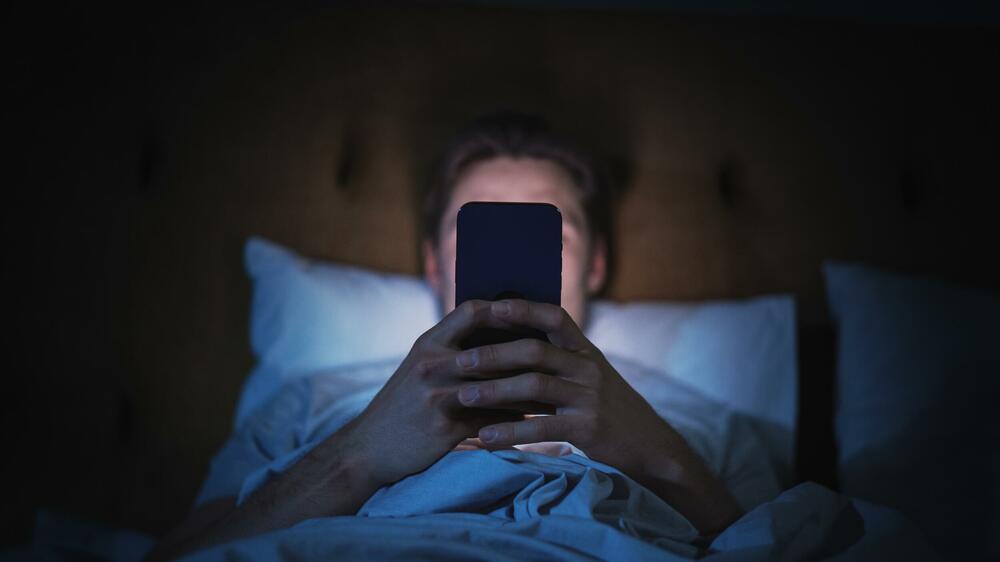
Completely abstaining from screens for hours before sleep may not be realistic for everyone. However, establishing a shorter, repeatable boundary can be beneficial for improving sleep hygiene. This approach suggests reserving the final 30 to 60 minutes before bedtime for activities other than screen use. Recommended alternatives include taking a shower, engaging in light reading, preparing clothes for the following day, or listening to calm music. These practices aim to help individuals wind down and prepare their bodies and minds for rest, potentially mitigating the negative effects of late-night screen exposure.
The pervasive use of electronic devices before bedtime presents a widespread challenge to sleep quality. While complete digital detox may be impractical for many, implementing a structured wind-down period of 30-60 minutes can offer a viable compromise. This strategy acknowledges the difficulty of immediate behavioral change and instead focuses on gradual habit formation. By substituting screen time with calming, non-stimulating activities, individuals can signal to their bodies that it is time to prepare for rest. This approach aligns with established sleep hygiene principles and could contribute to improved sleep onset and duration, addressing a common public health concern in the digital age.
AI-generated to prompt reflection — not editorial opinion, not advice, not a statement of fact. How this works.