Lindsey Graham's Death Triggers Succession Questions in South Carolina
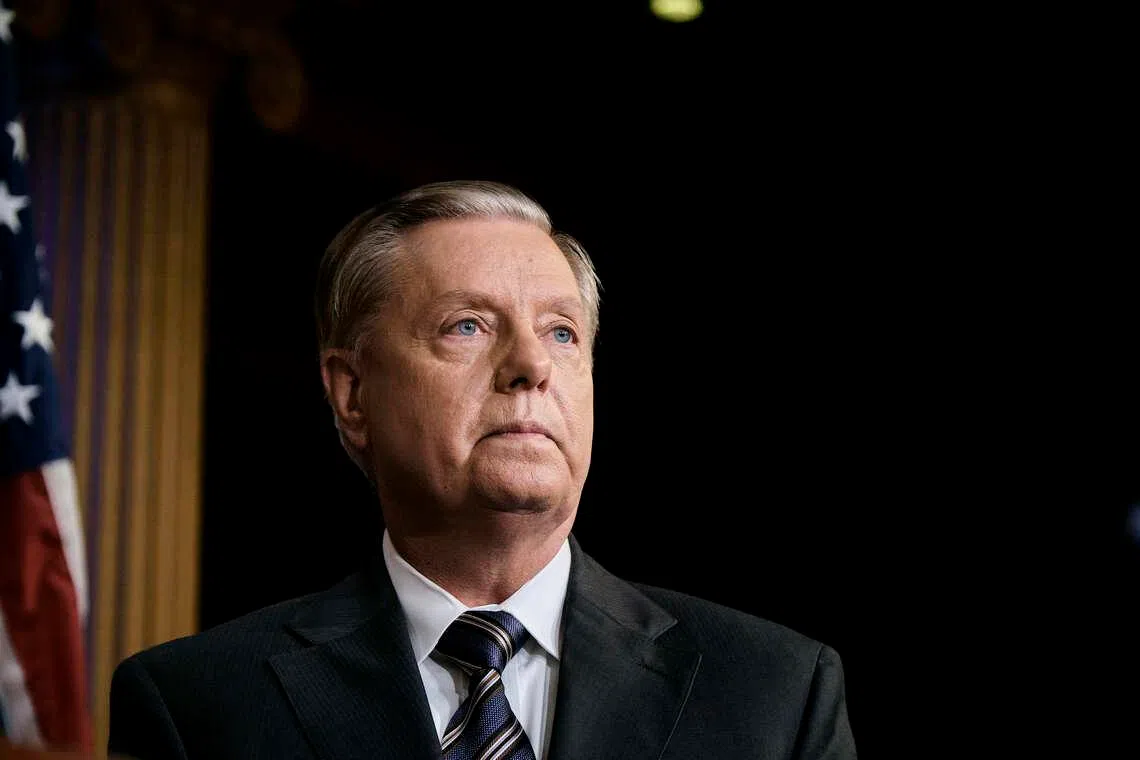
The unexpected passing of Senator Lindsey Graham has immediately ignited discussions about who will fill his vacant seat in South Carolina. Graham, a prominent Republican figure, was anticipated to compete against Democratic challenger Annie Andrews, a pediatrician, in the upcoming November elections. His death creates a significant political vacuum and raises questions about the Republican party's strategy for maintaining control of the Senate seat. The process for appointing a successor will likely involve state Republican party officials and potentially a special election, depending on state law and the timing of the vacancy. This development is expected to reshape the political landscape in South Carolina and could have broader implications for the balance of power in the U.S. Senate. The specific procedures and potential candidates for the interim appointment are now under intense scrutiny. The political ramifications for both parties are substantial as they navigate this unforeseen circumstance.
Senator Lindsey Graham's untimely death introduces a significant political contingency into the South Carolina electoral landscape. The vacancy necessitates a procedural succession, likely managed by state party apparatus and potentially involving gubernatorial appointment or a special election, depending on state statutes. This event underscores the inherent vulnerability of elected office to unforeseen personal circumstances and highlights the importance of succession planning within political parties. The ensuing political maneuvering will test the organizational strength and strategic foresight of the South Carolina Republican Party as it seeks to retain the seat. Furthermore, this situation prompts reflection on the broader implications for legislative continuity and the potential impact on national political dynamics, particularly in a closely divided Senate. The focus will shift to the selection process and the candidates who emerge to fill this prominent role.
AI-generated to prompt reflection — not editorial opinion, not advice, not a statement of fact. How this works.