Lindsey Graham's Russia Sanctions Bill Secures Enough Senate Votes for Passage
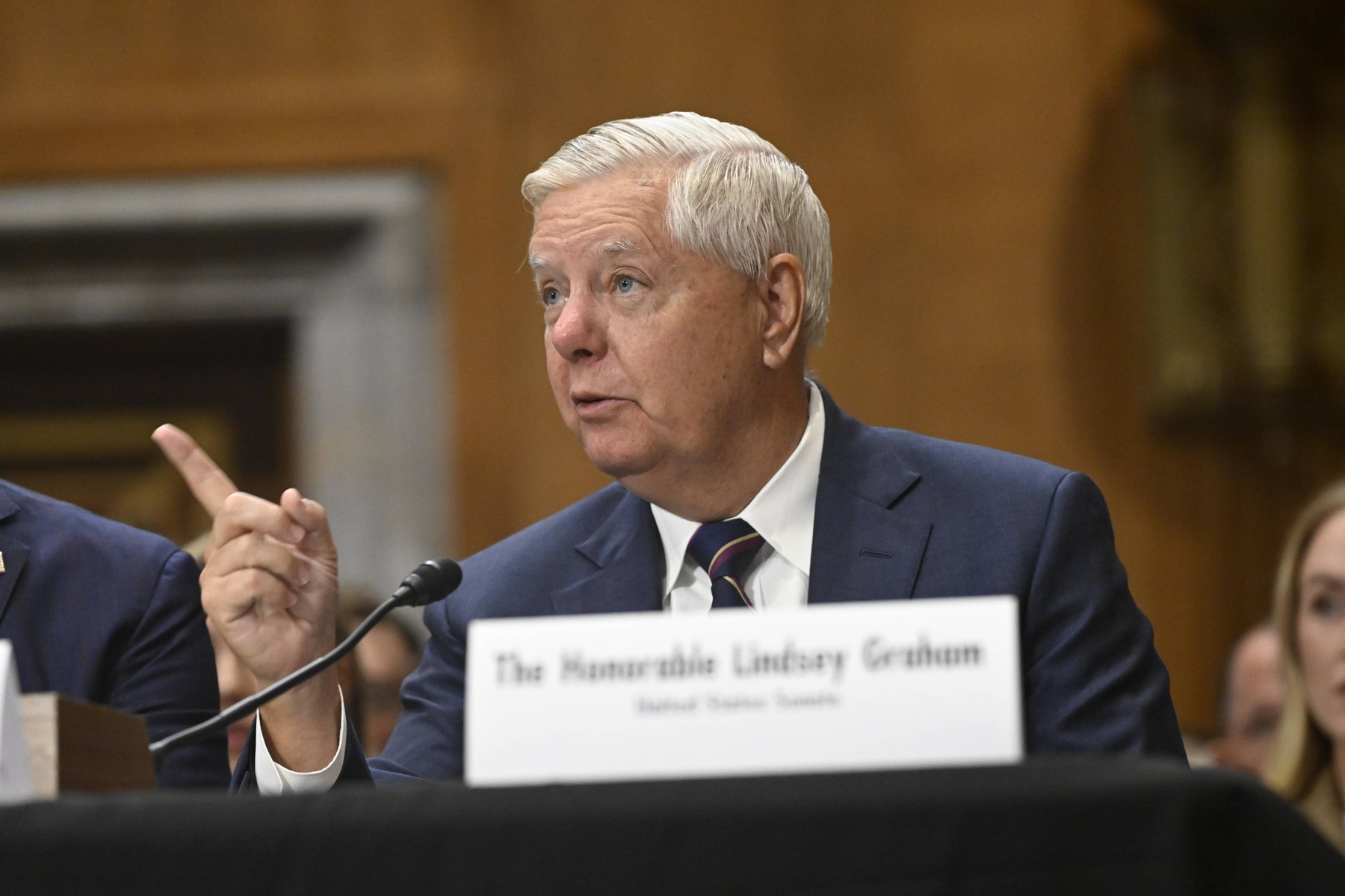
A bill aimed at strengthening sanctions against Russia, originally drafted by the late Republican Senator Lindsey Graham, has garnered sufficient support for its passage in the U.S. Senate. The legislation has secured over 60 co-sponsors, a threshold that ensures its adoption within the Senate. This bipartisan backing indicates a strong consensus among senators regarding the need for enhanced measures against Russia. The bill's progression through the Senate signifies a significant development in U.S. foreign policy towards Russia, potentially leading to more stringent economic and political restrictions. The co-sponsorship numbers suggest that the bill is likely to overcome any procedural hurdles and move forward towards a final vote. The late Senator Graham's initiative has thus found a strong momentum, reflecting a unified stance on this critical foreign policy issue.
The broad co-sponsorship of this sanctions bill suggests a bipartisan consensus on leveraging economic pressure against Russia. From a systems perspective, such legislative actions reflect the U.S. government's established mechanisms for foreign policy enforcement, utilizing financial and trade restrictions as tools of statecraft. The bill's passage, if it occurs, would represent a continuation of this strategy, aiming to influence geopolitical outcomes through market-based leverage. Looking ahead, the effectiveness of these sanctions will depend on their scope, enforcement, and the broader international economic environment, particularly in the context of evolving global trade dynamics and technological interdependencies.
AI-generated to prompt reflection — not editorial opinion, not advice, not a statement of fact. How this works.