Lingering Anger Over Pandemic Response Highlights Need for Lessons Learned
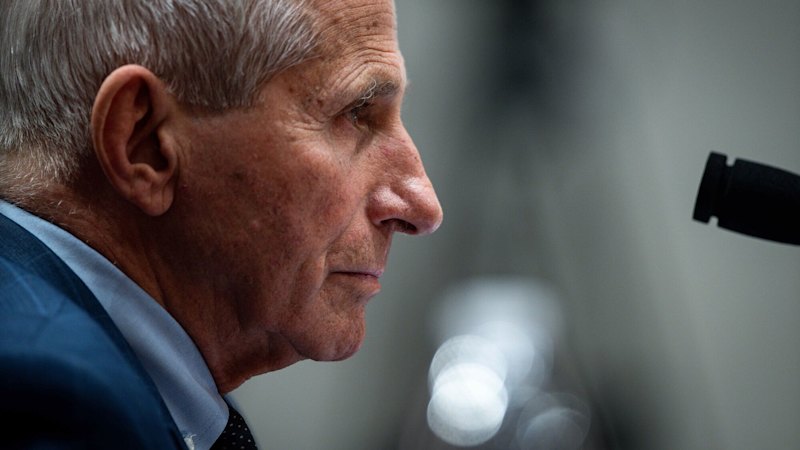
The COVID-19 pandemic revealed significant shortcomings in governmental performance, underscoring the necessity of learning from these experiences. However, there comes a point where society must move past the events and their immediate aftermath. The enduring public sentiment, exemplified by anger surrounding figures like Dr. Anthony Fauci, suggests that this transition is proving difficult. This sentiment indicates a deeper dissatisfaction with how the pandemic was managed and a desire for accountability or at least closure. The phrase "show trial" implies a perception of unfairness or political motivation in how certain individuals or policies were scrutinized. The "real takeaway" is not just the failures of governance but the lasting emotional impact on the public. This suggests that effective leadership in future crises will require not only competent policy but also skillful communication and a clear path toward resolution and healing. The article implies that the current state of "enduring rage" is a significant obstacle to societal recovery and learning.
The persistent public anger surrounding the pandemic response, as highlighted by the reference to Dr. Fauci, suggests a societal struggle with processing collective trauma and perceived governmental failures. This emotional residue may impede the objective assessment of policy effectiveness and the implementation of necessary reforms. The framing of scrutiny as a "show trial" indicates a potential breakdown in trust between the public and institutions, driven by perceptions of political influence over public health decisions. Moving forward, effective governance will likely require not only evidence-based policy but also transparent communication strategies that acknowledge public sentiment and foster a sense of shared progress. The challenge lies in channeling this residual anger into constructive dialogue and systemic improvements rather than allowing it to become a barrier to future preparedness and societal cohesion.
AI-generated to prompt reflection — not editorial opinion, not advice, not a statement of fact. How this works.