Lingering Wildfire Smoke Poses Health Risks Across US Cities
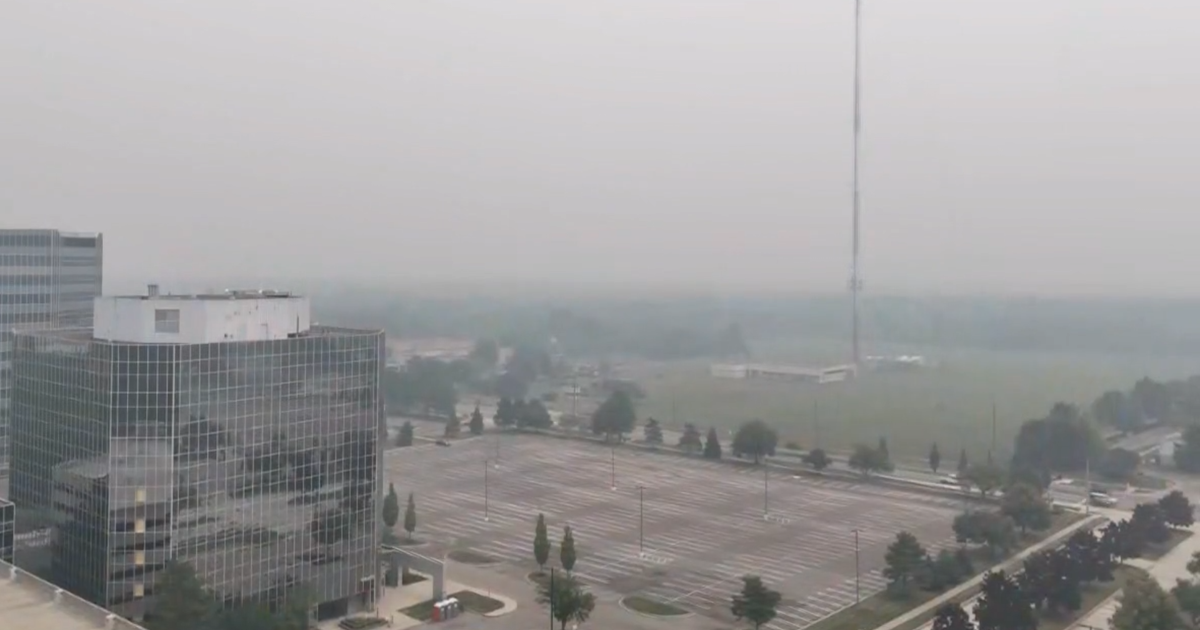
Wildfire smoke originating from Canada is causing significant air quality issues in major U.S. cities, including New York and Chicago. This poor air quality is expected to persist throughout the weekend. Dr. Carlos Gould, an assistant professor at UC San Diego, shared insights into the potential health consequences of prolonged exposure to this smoke. The event highlights the far-reaching environmental and health impacts of wildfires, even when they occur in different countries. Residents in affected areas are advised to take precautions to mitigate health risks associated with breathing in smoke-laden air. The situation underscores the interconnectedness of environmental events and public health across national borders. Further information regarding specific health advisories and protective measures is likely being disseminated by local health authorities.
The widespread impact of transboundary wildfire smoke on urban air quality and public health underscores the need for robust, internationally coordinated environmental monitoring and response systems. As climate change intensifies wildfire frequency and severity, such events will likely become more common, testing the resilience of public health infrastructure and emergency management protocols. Future planning must consider the cascading effects of environmental disasters, including the economic disruptions and healthcare burdens associated with prolonged air quality degradation. This situation prompts consideration of long-term strategies for air pollution mitigation and public health adaptation in an era of increasing climate volatility.
AI-generated to prompt reflection — not editorial opinion, not advice, not a statement of fact. How this works.