LinkedIn Introduces 'Seems Like AI Slop' Button to Flag Machine-Generated Content
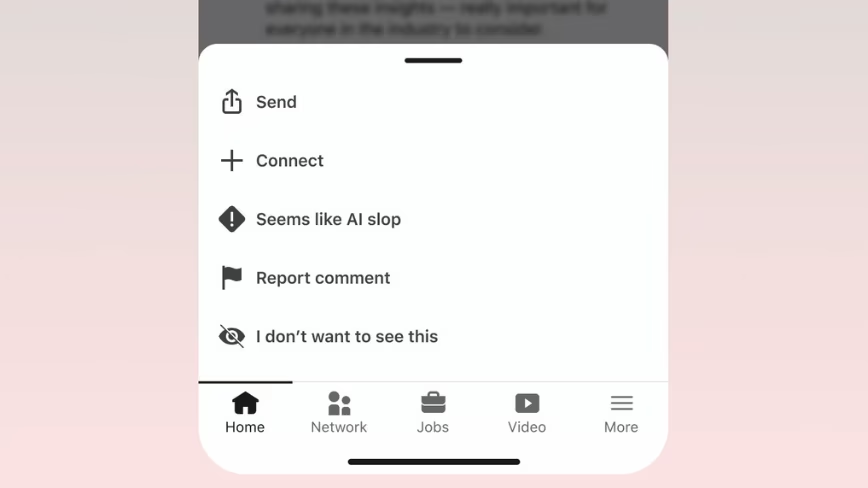
LinkedIn has quietly rolled out a new feature allowing users to flag content they suspect was generated by artificial intelligence. The option, discovered by 404 Media, is labeled "Seems like AI slop" and appears in the post menu under the three-dot options. This addition aims to address the growing volume of AI-generated posts that often appear on the professional networking platform. The network's move suggests a growing concern among users and platforms about the proliferation of AI-generated content. The specific phrasing "AI slop" indicates a candid approach by LinkedIn to categorize and manage this type of material. This feature provides users with a direct mechanism to express their dissatisfaction with content perceived as inauthentic or low-quality due to AI authorship. The platform's decision to implement such a distinct flagging option underscores the challenges of maintaining content quality and authenticity in an era of rapidly advancing AI capabilities. Further details on how this flagging system will be utilized or its impact on content visibility are not yet available.
The introduction of a "Seems like AI slop" button by LinkedIn reflects a broader industry challenge in distinguishing human-authored content from AI-generated material. This feature empowers users to act as content moderators, potentially influencing algorithmic content distribution and highlighting the perceived decline in authenticity or value of AI-generated posts. From a platform governance perspective, this mechanism could help LinkedIn manage user experience and maintain its professional network's integrity. However, it also raises questions about the accuracy of user flagging, potential for misuse, and the platform's long-term strategy for integrating or curating AI-generated content. The long-term impact will depend on how effectively this feedback loop is integrated into content moderation and recommendation systems, shaping the future landscape of professional discourse online.
AI-generated to prompt reflection — not editorial opinion, not advice, not a statement of fact. How this works.