Lionel Messi's Disciplined Routine Fuels Elite Performance at 39
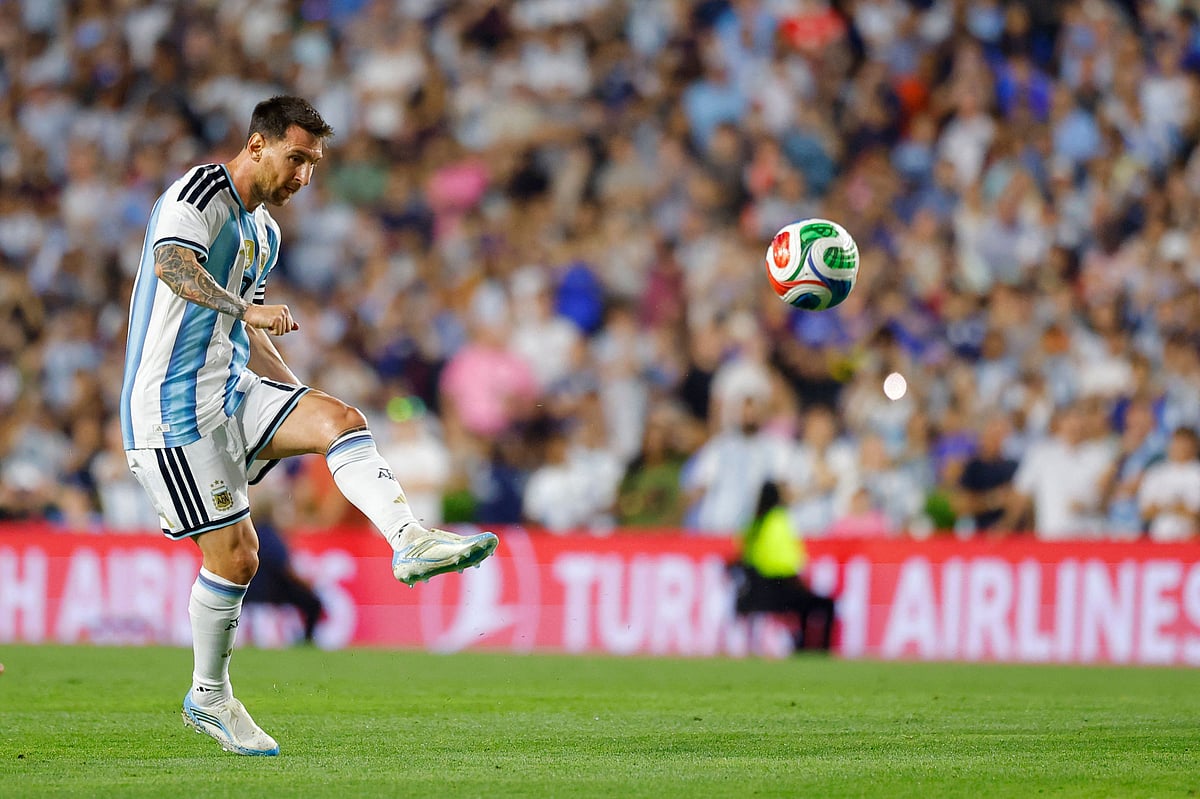
Lionel Messi's sustained excellence at age 39 is attributed not just to innate talent, but to a rigorous regimen of diet, training, and discipline. Despite early challenges with growth hormone deficiency and career injuries, Messi has maintained peak physical condition through significant dietary changes and meticulous physical care. His transformation began around 2014 when he partnered with Italian nutritionist Giuliano Poser, shifting his diet to emphasize hydration, olive oil, whole grains, fresh fruits, and vegetables. These choices aid in reducing inflammation and accelerating muscle recovery. Poser advised Messi to minimize sugar and refined flour, identifying sugar as particularly detrimental to muscles, and to reduce red meat intake due to its slower digestion. To meet protein needs, especially closer to matches, Messi consumes up to three protein shakes daily and stays well-hydrated. He has also replaced sugary soft drinks with yerba mate, a popular South American herbal tea. These dietary adjustments have reportedly reduced pre-match nausea he previously experienced. Currently with Inter Miami, he continues to adhere to nutritional guidance, including post-match recovery meals like pasta salad or sushi and abstaining from alcohol during the season. Messi's training focuses on speed, power, and flexibility, rather than heavy weightlifting. His routine includes linear speed exercises like pillar bridges and split squat jumps, alongside multidirectional drills such as lateral hops and mirror drills, enhancing agility and balance for quick changes of direction. He dedicates significant time to stretching to maintain muscle flexibility and reduce injury risk. His relatively small stature (5'7", 67kg) provides a low center of gravity, aiding his balance and rapid directional changes, which are crucial to his renowned dribbling ability. Messi's enduring success is a testament to his unwavering commitment to proper nutrition, consistent training, adequate rest, and diligent physical self-care over many years.
Lionel Messi's sustained elite performance at an advanced age highlights the critical interplay between genetics, dedicated lifestyle choices, and modern sports science. His dietary evolution from favoring fast foods to a nutrient-dense regimen, coupled with a training focus on agility and flexibility over brute strength, demonstrates a sophisticated understanding of biomechanics and recovery. This approach contrasts with some other high-profile athletes who emphasize maximal strength training, suggesting diverse pathways to peak physical conditioning. Messi's case underscores how personalized nutrition and training, informed by expert guidance, can mitigate the effects of aging and past injuries, enabling longevity in a physically demanding sport. It prompts consideration of how such integrated health strategies could be more widely adopted across professional sports to optimize athlete well-being and career duration, potentially shifting performance metrics beyond raw power towards sustained functional capacity.
AI-generated to prompt reflection — not editorial opinion, not advice, not a statement of fact. How this works.