Lionel Messi's Resilience and the Joy of Football Beyond Trophies
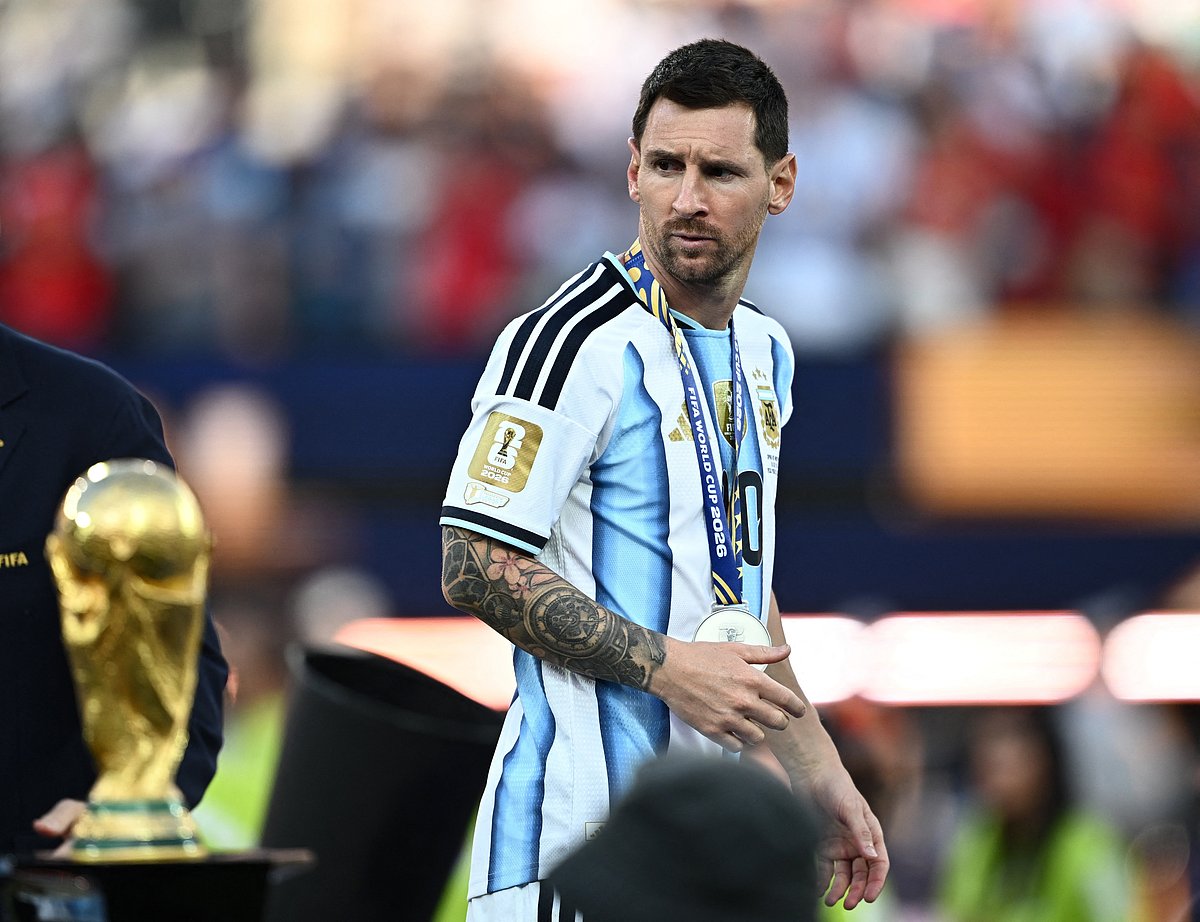
Lionel Messi competed in his sixth World Cup at the age of 39, an age when most legendary footballers retire or transition to coaching. Despite his age, he captained Argentina to the World Cup final, earning the Silver Ball as the tournament's second-best player and the Silver Boot for his goal-scoring prowess. Argentina, under his leadership, secured the runner-up position, receiving a significant prize money of approximately 406 crore BDT. Although they did not win the championship, Messi's individual performance reaffirmed that age is merely a number. The article contrasts this with Spain's victory, which brought them 615 crore BDT and multiple individual accolades, highlighting the cyclical nature of sporting success. It expresses surprise at the elation some individuals displayed over Argentina's loss, suggesting their joy stemmed solely from Messi's defeat. The author points out that Messi achieved nearly everything possible in the tournament except the title, viewing his participation as a bonus chapter in an already legendary career. His contributions captivated millions of football fans for a month, leading Argentina to declare a national holiday in his honor. Messi's career is adorned with 35 titles with Barcelona, two with PSG, success with Inter Miami, two Copa América titles, and a World Cup with Argentina, alongside a record eight Ballon d'Or awards and over 900 career goals. Beyond football, he leads a happy family life, is a UNICEF Goodwill Ambassador, and has shown concern for children's safety in Gaza. The piece criticizes the mentality of finding happiness in belittling others, labeling it as personal animosity rather than true fandom. It advocates for appreciating all footballing talents, from Pelé to Mbappé and Messi, without needing to demean one to praise another. The author likens the joy derived from Argentina's loss to a distorted pleasure experienced by someone whose own life is unfulfilled. The article concludes by urging readers to enjoy sports as a game, respect legends, and remember that those who define eras are ultimately remembered by history, transcending mere wins and losses.
This analysis examines the narrative surrounding Lionel Messi's 2026 World Cup performance, focusing on the emotional responses to his team's loss. The piece deconstructs the sentiment that derives pleasure from a celebrated athlete's defeat, framing it as a deviation from genuine sportsmanship. It suggests that such reactions may stem from underlying societal dynamics or individual psychological states rather than objective sporting critique. By highlighting Messi's extensive career achievements and off-field contributions, the article implicitly contrasts the ephemeral nature of tournament outcomes with the enduring legacy of sustained excellence and positive influence. The analysis encourages a perspective that values participation, effort, and the broader impact of athletes, particularly in the context of evolving fan engagement models and the increasing commodification of sports narratives. It prompts consideration of how to foster a more constructive and appreciative fan culture that transcends immediate results and personal rivalries, aligning with principles of ethical consumption and fandom in the digital age.
AI-generated to prompt reflection — not editorial opinion, not advice, not a statement of fact. How this works.