Lipedema Awareness Walk Held in Sorocaba, Brazil
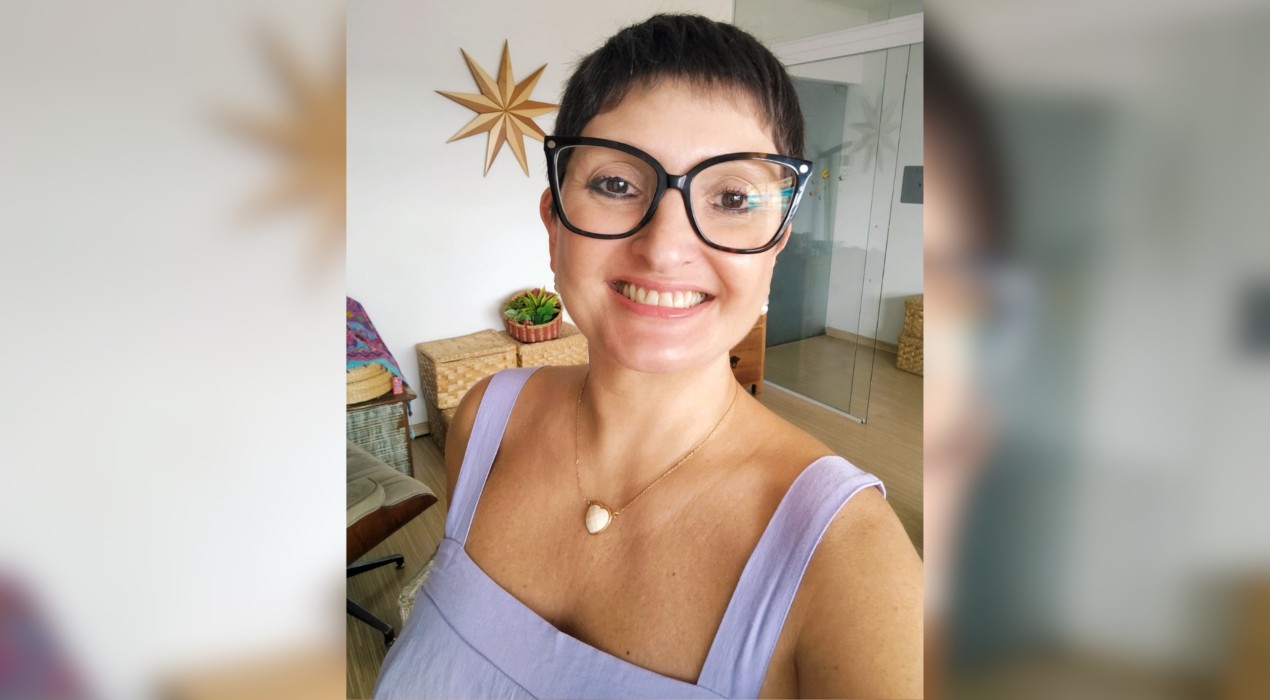
Sorocaba, Brazil, hosted its first-ever awareness walk for lipedema on August 2, 2024, at Pista do Campolim. The free event, running from 9 AM to 12 PM, was organized by the NGO Movimento Lipedema to bring attention to this chronic inflammatory disease affecting millions of Brazilian women. Lipedema is characterized by disproportionate accumulation of unhealthy, inflammatory fat, primarily in the legs and arms, often misdiagnosed as common obesity or cellulite. Beyond aesthetic concerns, the condition causes daily physical pain, frequent bruising, and progressive loss of mobility.
The Sorocaba event was spearheaded by 55-year-old psychologist Raquel Labarca, who was diagnosed with lipedema two years ago after struggling with symptoms and focusing on aesthetics rather than pain and inflammation. She highlighted the difficulty in reducing this fat through conventional diets and exercise, leading to frustration and mental distress due to societal judgment. Vascular surgeon Dr. Fábio Kamamoto, director of Instituto Lipedema Brasil, noted the widespread lack of medical knowledge, which delays diagnosis and exacerbates the condition's progression, leading to physical limitations and social isolation. The movement advocates for the definitive inclusion of lipedema treatment in Brazil's public health system (SUS) and mandatory coverage by health insurance plans.
The NGO Movimento Lipedema, founded by 45-year-old biochemist Gabriela Pereira, provides year-round support, including psychological counseling, self-care courses, and virtual lectures, in addition to street walks. Sorocaba's participation was facilitated by local volunteers and Raquel Labarca, who expressed gratitude for the community support and the strength derived from knowing they are not alone in their struggle.
This event highlights a significant public health challenge stemming from the underdiagnosis and lack of accessible treatment for lipedema, a condition often confused with more common ailments like obesity. The narrative underscores systemic issues within healthcare, including insufficient medical education on rare diseases and the resultant delays in diagnosis, which worsen patient outcomes and quality of life. The advocacy efforts by patient organizations and medical professionals aim to address these gaps by pushing for policy changes, such as inclusion in public health services and insurance coverage, reflecting a broader trend of patient-led movements demanding better recognition and management of chronic conditions. Looking ahead, the integration of advanced diagnostic technologies and patient-reported outcome measures could accelerate identification and personalize treatment, while a greater emphasis on interdisciplinary care will be crucial for managing the multifaceted impacts of lipedema.
AI-generated to prompt reflection — not editorial opinion, not advice, not a statement of fact. How this works.