Lipids in Ovarian Cancer Ascites Block T Cell Activation by Altering TCR Dynamics
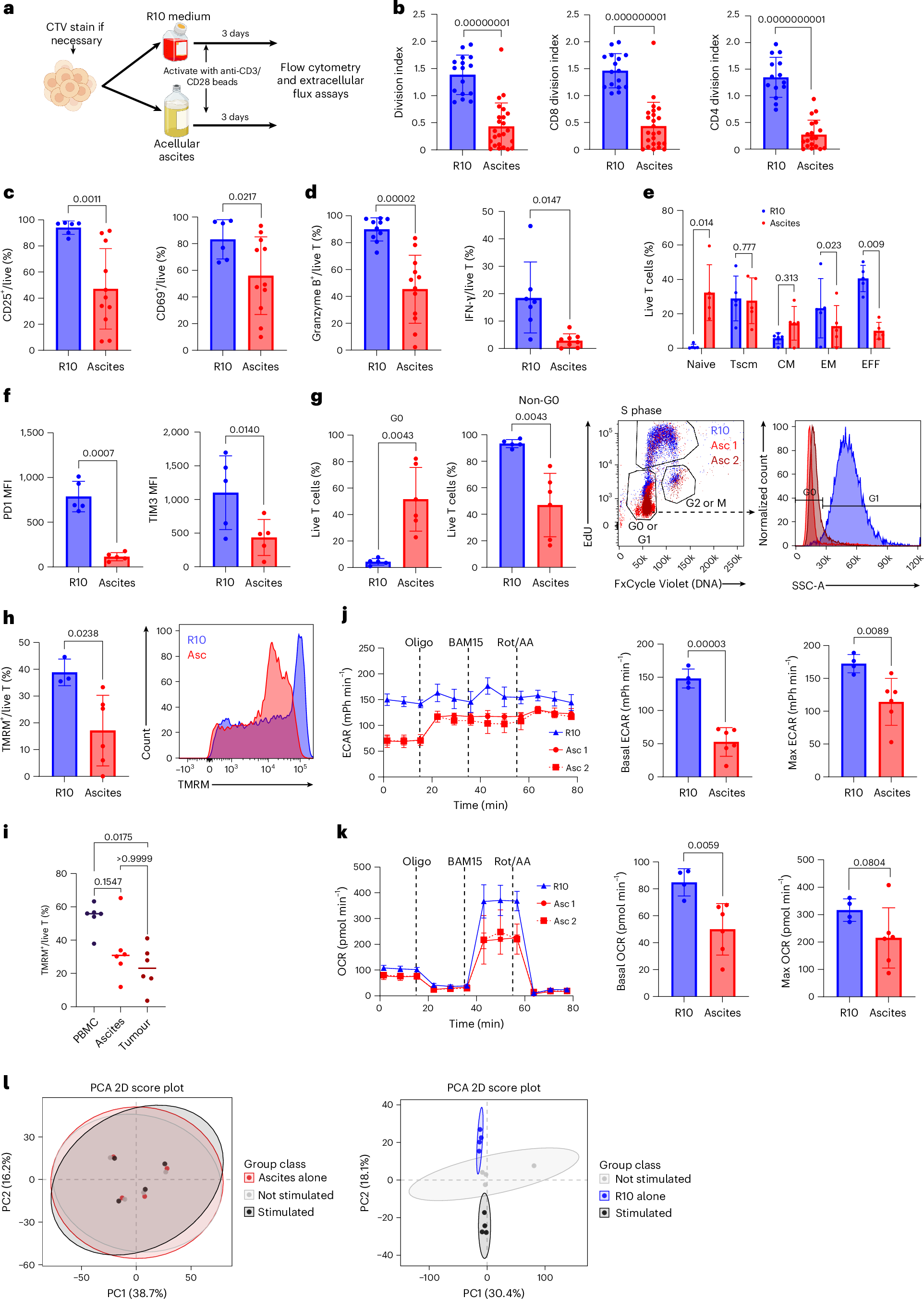
Lipids found in the ascites fluid of ovarian cancer patients have been identified as a significant factor in hindering T cell activation. These lipids interfere with the normal functioning of the T cell receptor (TCR), a crucial component for immune response initiation. Specifically, the presence of these lipids disrupts the dynamic movements and interactions of the TCR within the cell membrane. This disruption prevents T cells from effectively recognizing and responding to cancer cells, thereby weakening the body's immune defense against the malignancy. The research highlights a novel mechanism by which ovarian cancer evades immune surveillance. Understanding this lipid-mediated suppression of T cell activation could pave the way for new therapeutic strategies aimed at restoring immune function in ovarian cancer patients. By targeting these lipids or their effects on TCR dynamics, it may be possible to enhance the efficacy of immunotherapies. Further investigation into the specific types of lipids involved and their precise molecular interactions is warranted. This discovery offers a new perspective on the complex tumor microenvironment and its role in cancer progression.
This research identifies a specific biochemical mechanism, lipid-induced disruption of TCR dynamics, by which ovarian cancer ascites impairs T cell function. From a systems perspective, this represents a critical vulnerability in the host's immune surveillance, exploited by the tumor microenvironment. Future therapeutic strategies might focus on modulating lipid composition in ascites or directly enhancing TCR signaling pathways to overcome this suppression. The long-term implications involve understanding how metabolic reprogramming within tumors creates an immunosuppressive milieu, potentially influencing treatment efficacy across various cancer types. This finding underscores the need for integrated approaches that consider both cellular and molecular interactions within the tumor ecosystem to develop more robust anti-cancer immunotherapies.
AI-generated to prompt reflection — not editorial opinion, not advice, not a statement of fact. How this works.