Lithuania Considers Lifting Ban on Nuclear Weapons Deployment
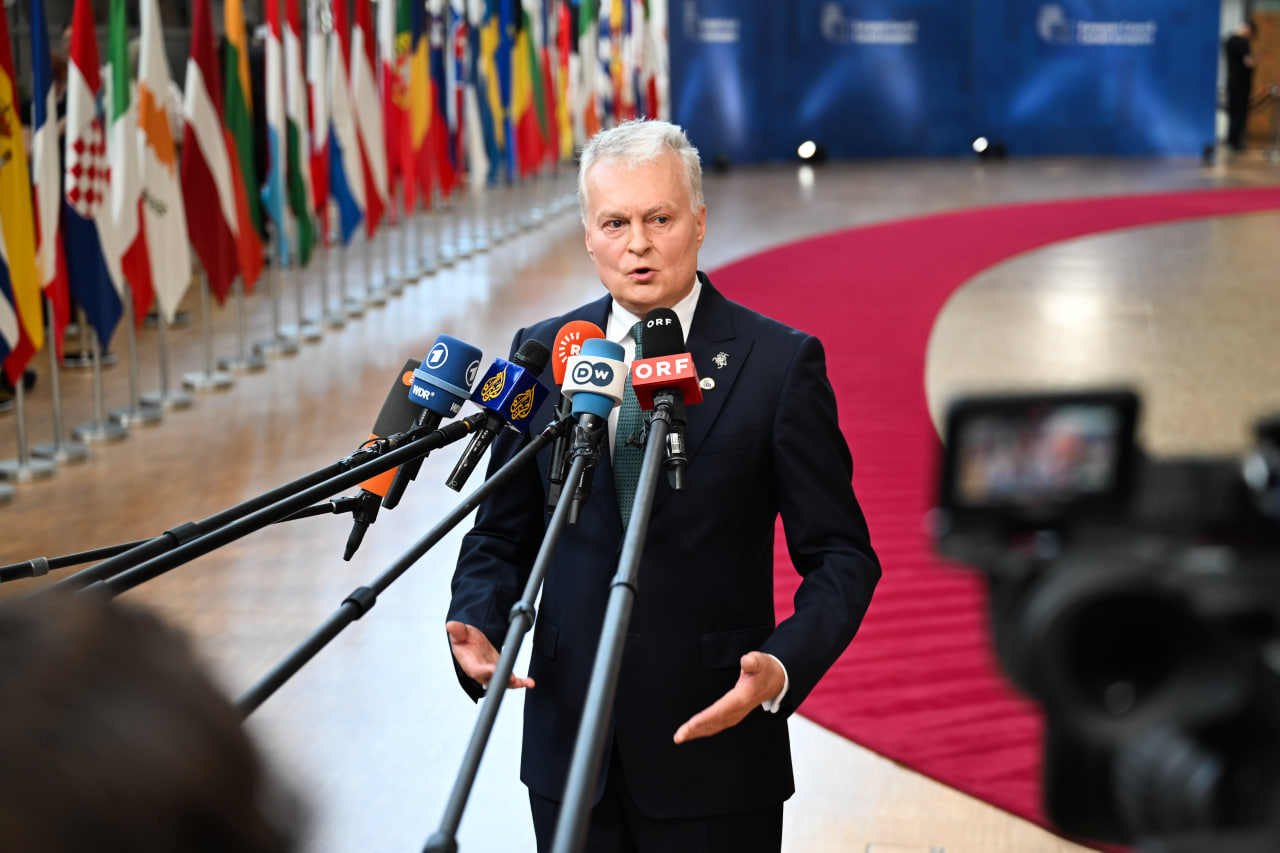
Lithuania is contemplating the removal of a constitutional ban that prohibits the deployment of weapons of mass destruction and the establishment of foreign military bases on its territory. Article 137 of the Lithuanian Constitution currently forbids such actions. This potential change comes amidst evolving geopolitical considerations and security concerns within the region. The amendment would require significant legal and political deliberation. The implications of altering this foundational constitutional provision are far-reaching, potentially impacting Lithuania's defense posture and its relationships with international allies. The debate surrounding this issue is expected to be complex, involving national security experts, policymakers, and the public. The outcome could signal a shift in Lithuania's strategic alignment and its approach to collective security in Eastern Europe. Further details on the proposed amendments and the timeline for their consideration are yet to be released.
Lithuania's potential reconsideration of its constitutional prohibition on nuclear weapons deployment warrants examination through the lens of evolving regional security dynamics and NATO's collective defense strategy. The imperative to deter potential adversaries may create pressure to explore all available defense options, including those previously deemed unconstitutional. However, any such policy shift must carefully weigh the strategic benefits against the risks of escalation and the potential impact on international arms control norms. The decision will likely reflect a complex interplay between national security imperatives, alliance commitments, and public opinion, highlighting the ongoing tension between traditional security doctrines and the emerging challenges of a multipolar world.
AI-generated to prompt reflection — not editorial opinion, not advice, not a statement of fact. How this works.