Lithuania Considers Lifting Nuclear Weapon Ban Amid Regional Tensions
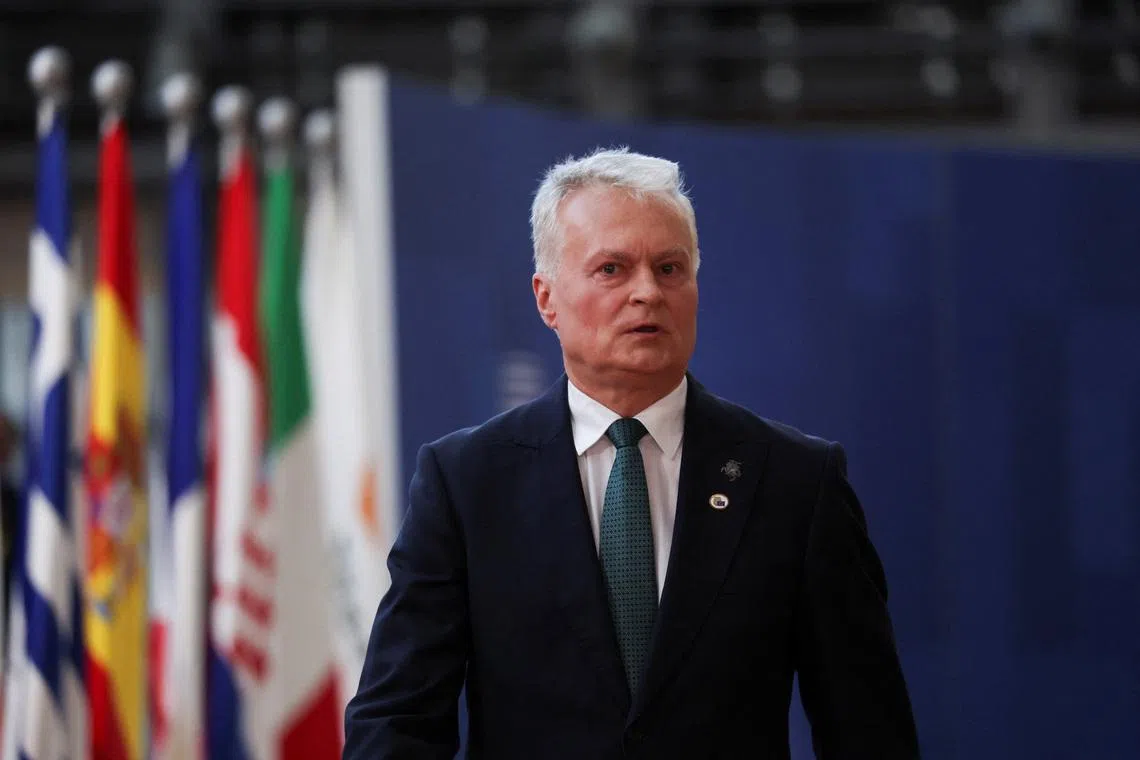
Lithuanian parliamentary parties have reached an agreement to remove a constitutional prohibition on nuclear weapons and the presence of foreign military bases within the Baltic nation. President Gitanas Nausėda announced the decision, indicating it reflects a significant shift in security considerations for the region due to Russia's actions. This move suggests a proactive response by Lithuania to the evolving geopolitical landscape, particularly concerning potential threats and the need for enhanced defense capabilities. The decision highlights the growing unease among Eastern European nations regarding regional stability and their strategic alliances. It underscores a broader trend of re-evaluating defense postures in light of perceived escalations. The parliamentary consensus points to a unified national approach to addressing these security concerns. This development is seen as a direct consequence of Russia's assertive foreign policy and its impact on neighboring countries. The potential lifting of the ban signifies a willingness to explore all options to bolster national security.
The Lithuanian parliamentary parties' agreement to consider lifting the constitutional ban on nuclear weapons and foreign military bases signals a strategic pivot driven by perceived regional security deterioration. This recalibration of defense policy, influenced by Russia's actions, reflects a broader trend of Eastern European nations reassessing their security architectures in the face of evolving geopolitical dynamics. The decision highlights the inherent tension between national sovereignty, collective security arrangements, and the pursuit of deterrence in a complex international environment. Future policy choices will likely involve navigating international legal frameworks, alliance commitments, and the potential for escalating regional tensions, underscoring the delicate balance required to maintain stability while enhancing defense capabilities in the coming decade.
AI-generated to prompt reflection — not editorial opinion, not advice, not a statement of fact. How this works.