Lithuania Seeks Role in NATO's Nuclear Deterrence Strategy
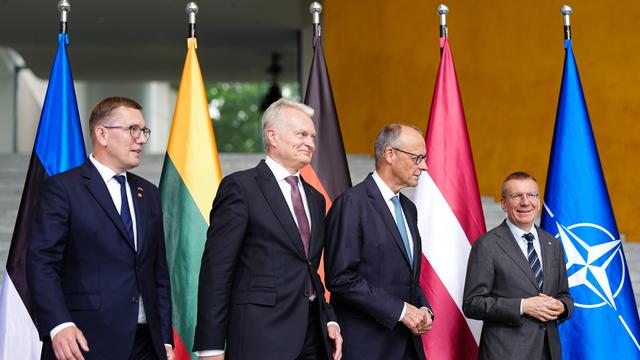
Lithuania has expressed its desire to participate in NATO's nuclear deterrence efforts aimed at Russia. This initiative highlights the Baltic states' ongoing concerns regarding regional security and their strategic positioning within the alliance. In parallel, German Chancellor Friedrich Merz has agreed to foster closer cooperation with the Baltic states. This agreement underscores a commitment to strengthening security ties and collaborative defense planning between Germany and Lithuania, Latvia, and Estonia. The discussions likely focused on enhancing military readiness and coordinated responses to potential geopolitical challenges in Eastern Europe. Both developments signal a proactive approach by NATO members in the region to bolster collective defense capabilities.
Lithuania's expressed interest in participating in NATO's nuclear deterrence framework reflects a strategic response to perceived regional security threats. This move, coupled with Germany's commitment to closer Baltic cooperation, suggests an evolving defense posture in Eastern Europe. The emphasis on deterrence underscores the complex geopolitical dynamics and the ongoing reliance on nuclear capabilities within the alliance's security architecture. Future developments may reveal shifts in burden-sharing and the integration of non-nuclear states into deterrence planning, potentially reshaping regional security paradigms over the next decade.
AI-generated to prompt reflection — not editorial opinion, not advice, not a statement of fact. How this works.