Lithuanian FM: Security Must Trump Economic Interests in Russia Sanctions
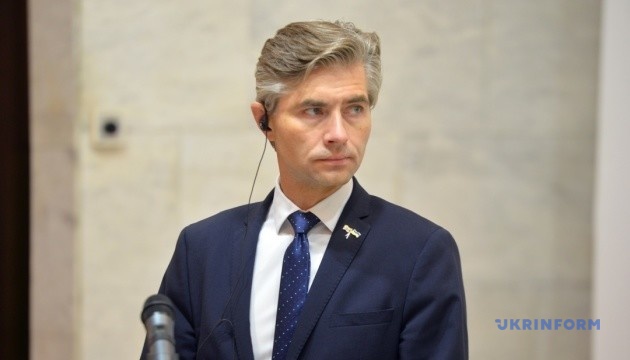
Lithuanian Minister of Foreign Affairs Gabrielius Landsbergis has expressed concern over the growing influence of economic interests within EU member states during the formulation of sanctions against Russia. He views this trend as dangerous, suggesting that economic considerations are beginning to overshadow security concerns. Landsbergis believes that the primary objective of sanctions should be to address the security implications posed by the aggressor state, rather than prioritizing the economic well-being of individual member nations. This stance highlights a potential divergence within the European Union regarding the strategic approach to sanctioning Russia. The minister's remarks underscore the importance of maintaining a unified and security-focused policy, even when faced with economic pressures. He argues that a deviation from this principle could undermine the effectiveness of the EU's foreign policy and its commitment to collective security.
The Lithuanian Foreign Minister's statement highlights a fundamental tension within multilateral sanction regimes: the conflict between geopolitical security objectives and the economic interests of member states. This dynamic often leads to a dilution of sanctions effectiveness as individual nations prioritize domestic economic impacts. The challenge for the EU lies in aligning diverse national economic priorities with a cohesive, long-term security strategy. Future iterations of sanctions policy may need to incorporate mechanisms that better insulate security decisions from short-term economic fluctuations, potentially through collective compensation funds or phased implementation strategies. The increasing interconnectedness of global economies, amplified by technological advancements, makes this balancing act more critical than ever, requiring sophisticated governance frameworks to navigate.
AI-generated to prompt reflection — not editorial opinion, not advice, not a statement of fact. How this works.