Lithuanian President's Advisor: EU Enthusiasm for Russia Sanctions Waning
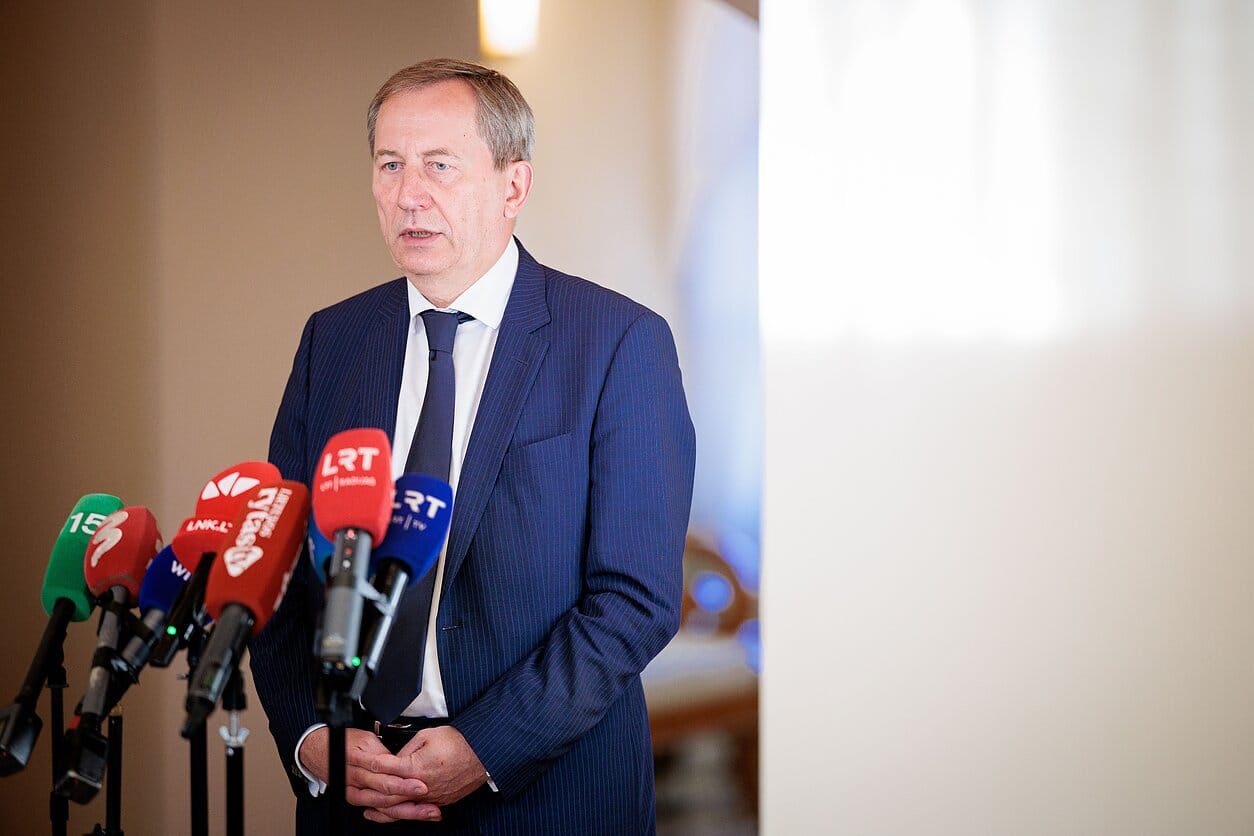
Dainius Matulionis, a senior advisor to the President of Lithuania, has warned that enthusiasm within the European Union for implementing new sanctions against Russia is diminishing. Matulionis expressed concern that the initial strong support for punitive measures against Russia is showing signs of weakening among member states. This shift in sentiment could potentially impact the EU's unified approach to pressuring Russia through economic and political means. The advisor's statement highlights a potential challenge in maintaining a cohesive bloc on sanctions policy. The waning enthusiasm suggests a growing divergence of opinions or priorities among EU nations regarding the effectiveness and necessity of continued sanctions. This development could have implications for future decisions on sanctions renewals or the imposition of additional measures. The situation underscores the complexities of achieving and sustaining consensus on foreign policy within the diverse European Union.
The observation from a Lithuanian presidential advisor suggests a potential divergence in strategic priorities among EU member states concerning Russia. As prolonged geopolitical events unfold, the economic and political costs of sustained sanctions can create varying levels of commitment across national economies. This dynamic may reflect differing levels of economic exposure to Russia, domestic political considerations, or evolving threat perceptions. The challenge for the EU lies in maintaining policy coherence and strategic alignment in the face of these internal pressures, which could influence future geopolitical leverage and diplomatic approaches over the next decade.
AI-generated to prompt reflection — not editorial opinion, not advice, not a statement of fact. How this works.