Livestock and pets found dead in rural São Francisco de Itabapoana after attacks
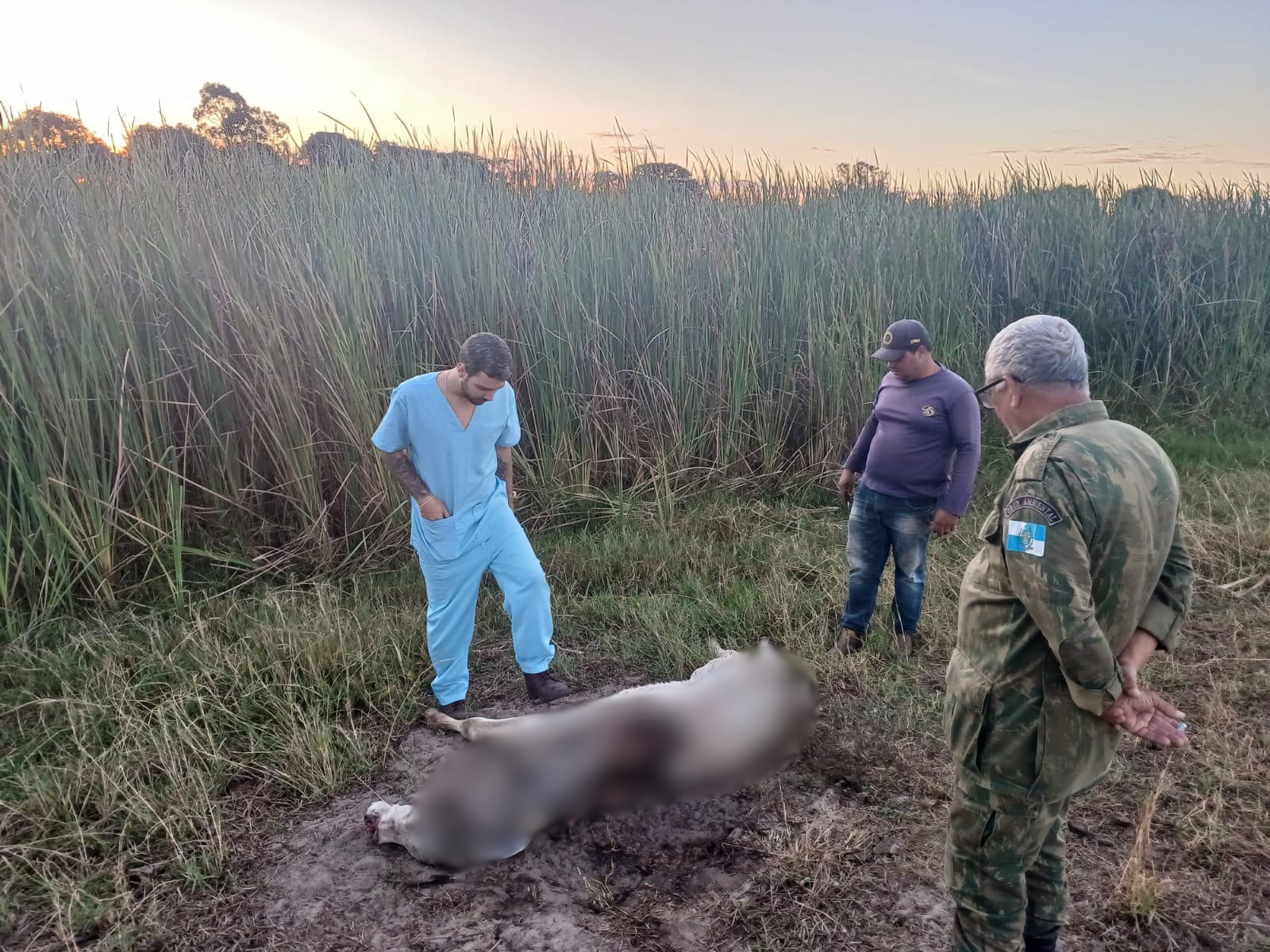
Rural producers in São Francisco de Itabapoana, in the North Fluminense region of Brazil, are on high alert following a series of fatal attacks on domestic and production animals. Over the past week in July, residents have discovered deceased animals with severe injuries, causing significant financial losses and widespread concern. The attacks have been reported in various rural areas, including Imburi, Esquina, São Domingos, Aroeira, Ponte Moenda, Santa Clara, and Bote. The animals exhibited bite marks, primarily on their snouts, necks, and ears, with some showing deep wounds elsewhere on their bodies. These injuries suggest the involvement of a large predator, possibly a feline, though the exact species remains unconfirmed. Veterinarian Gabriel Bui Teixeira noted that the nature of the attacks, including the predator's method of disabling prey, indicates a larger animal is responsible. He advised producers to enhance herd protection measures and refrain from attempting to capture the animal themselves. Recommended precautions include reinforcing fences and enclosures, especially at night, avoiding leaving animals unattended after dark, installing surveillance cameras if possible, and being vigilant for animal tracks. Producers are urged to document any further attacks with photos or videos from a safe distance and report incidents immediately to the Environmental Guard at (22) 99892-5175. This will allow authorities to track the animal and facilitate its capture and removal from the municipality.
The series of animal deaths in São Francisco de Itabapoana highlights the ongoing challenge of human-wildlife coexistence in rural areas. The attacks, attributed to a large predator, underscore the vulnerability of domestic animals and the economic impact on local producers. While the immediate concern is public safety and livestock protection, a long-term perspective is needed. Understanding the predator's habitat, migratory patterns, and the factors driving it closer to human settlements is crucial for developing sustainable coexistence strategies. This situation may reflect broader ecological shifts, such as habitat fragmentation or changes in prey availability, necessitating a comprehensive approach that balances agricultural needs with wildlife conservation efforts to prevent future conflicts and ensure the well-being of both communities.
AI-generated to prompt reflection — not editorial opinion, not advice, not a statement of fact. How this works.