Loan shark gangs in Belo Horizonte extort victims with threats and violence
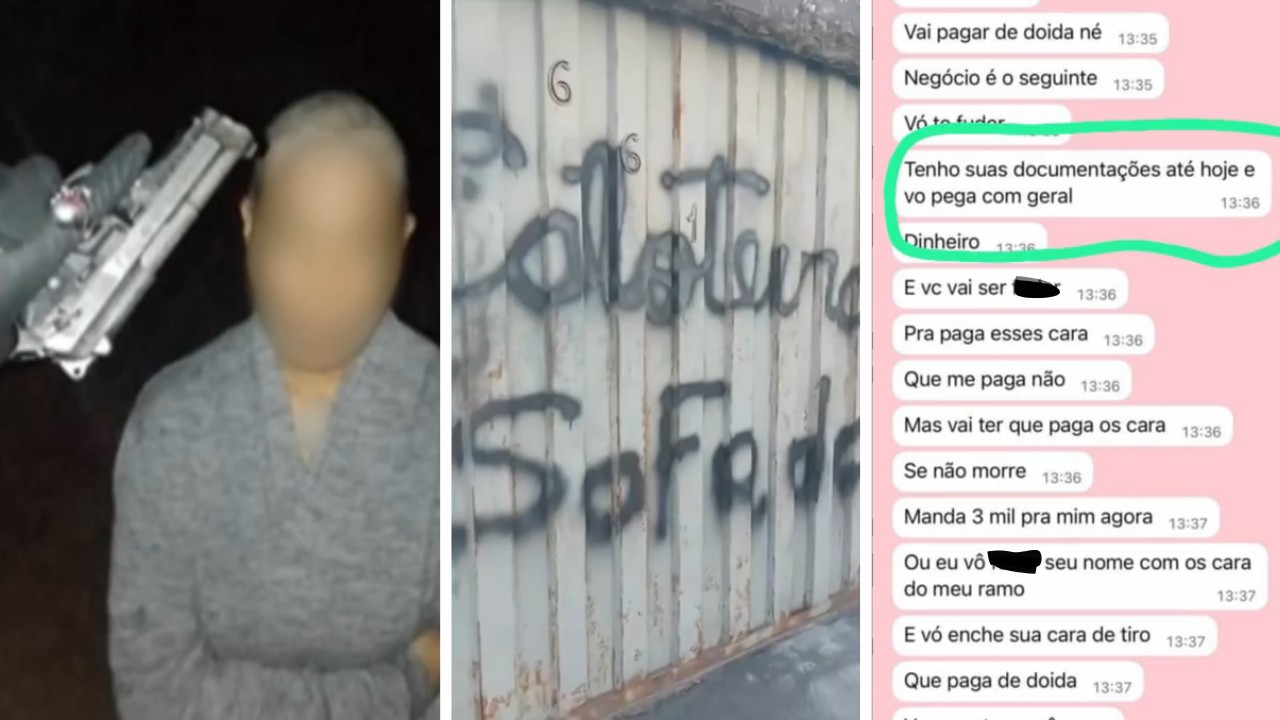
Loan shark gangs operating in the Greater Belo Horizonte region of Brazil have been exposed for running a scheme involving exorbitant daily interest rates of up to 30%, threats, intimidation, and violence against debtors. Over 300 individuals have reported to the Civil Police that they fell victim to these criminal groups. Investigations reveal that the gangs would post debtors' personal information on social media, vandalize homes with graffiti, and harass those who fell behind on payments. While lending money itself is not illegal in Brazil, loan sharking, known as 'agiotagem,' is prohibited when it involves charging abusive interest, economic exploitation, and other illegal practices in the provision and collection of loans. Criminal lawyer Warlem Freire explained that usury, defined as charging interest above legal limits or exploiting vulnerable individuals, is a crime against the popular economy. Legal precedents suggest that interest rates up to 12% annually, or 1% monthly, may be considered legal. Penalties for loan sharking can range from six months to two years in prison for simpler cases, and up to ten years for more severe offenses, especially when combined with other crimes like threats, extortion, violence, or criminal organization. There is legal debate regarding the validity of debts incurred through loan sharking; some courts consider them null due to their criminal origin, while others advocate for recalculating the debt within legal limits to prevent unjust enrichment. Victims are advised to report threats and intimidation to the Civil Police, potentially with the assistance of a lawyer or the Public Defender's Office, to ensure their safety and initiate protective measures. Recent police operations have led to the arrest of 14 suspects and the seizure of over 60 vehicles used in these collection activities. The gangs, reportedly composed of Brazilians, Colombians, and Venezuelans, primarily targeted small business owners and single women, aiming to trap them in a cycle of debt through abusive interest and constant intimidation.
The described activities of loan sharking gangs in Greater Belo Horizonte highlight a systemic failure in providing accessible and affordable credit, particularly for vulnerable populations like small business owners and individuals in precarious financial situations. The exploitation of economic necessity through usurious interest rates and coercive collection tactics creates a cycle of debt that can have devastating consequences. This situation underscores the need for robust financial inclusion initiatives and stricter regulatory oversight of lending practices to prevent individuals from resorting to illicit sources. Furthermore, the use of violence and intimidation points to the intersection of financial crime with organized criminal activity, requiring a multi-faceted law enforcement approach that addresses both the economic and security dimensions of the problem. Future efforts should focus on strengthening legal frameworks, enhancing enforcement capabilities, and promoting financial literacy to empower individuals and mitigate the risks associated with unregulated lending.
AI-generated to prompt reflection — not editorial opinion, not advice, not a statement of fact. How this works.