Loan shark gangs in Brazil's Greater BH extort debtors with extreme interest, threats, and public shaming
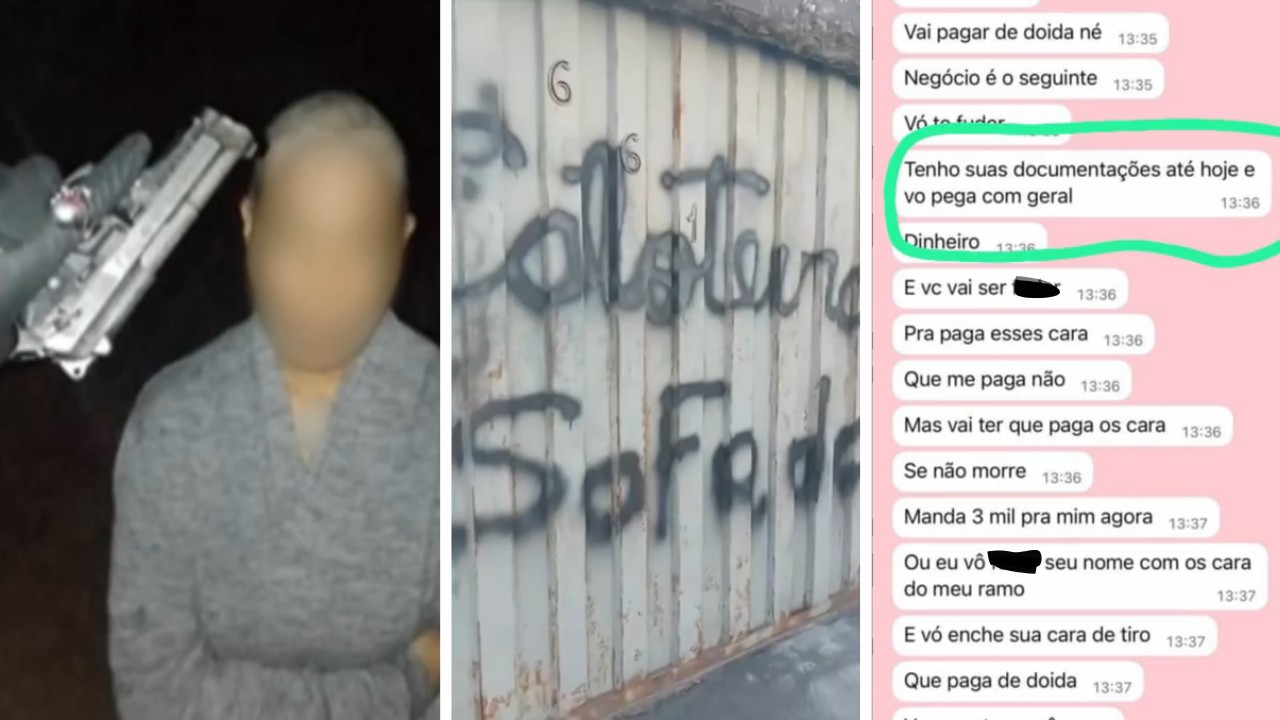
Over 300 individuals in Brazil's Greater Belo Horizonte (BH) area have reported threats and harassment from loan shark gangs, according to the Civil Police. These gangs are known for charging exorbitant daily interest rates, reportedly up to 30%, and resorting to aggressive collection tactics. Victims have described receiving threats, facing intimidation at their homes, and having their personal information, including photos, posted on social media and displayed on posters in their neighborhoods. Some have even had their homes vandalized with graffiti and personal property seized. In one disturbing case, a victim reported being filmed with a gun to her head and having her hair shaved. The Civil Police conducted an operation in May, arresting 14 loan sharks and seizing over 60 vehicles used in their operations. Investigations suggest these groups are composed of Brazilians, Colombians, and Venezuelans, with some suspects allegedly recruited from Colombia by existing criminal organizations in Minas Gerais. The primary targets are often small business owners and single women, perceived as more vulnerable. The gangs' strategy appears to be trapping victims in a cycle of debt, effectively making them "slaves to the debt," rather than simply recovering the principal amount. The immense pressure has led some victims to attempt suicide and seek psychological treatment, with many living in constant fear and prioritizing debt payments even over basic necessities.
This situation highlights a critical failure in financial inclusion and regulatory oversight, creating a fertile ground for predatory lending. The extreme interest rates and violent collection methods employed by these loan shark gangs indicate a severe lack of accessible, affordable credit options for vulnerable populations, pushing them towards illicit alternatives. The involvement of international actors suggests potential transnational organized crime networks exploiting economic disparities. The gangs' strategy of perpetual debt ensnarement, rather than simple repayment, points to a business model designed for long-term exploitation. Future policy interventions should focus on strengthening consumer protection laws, increasing access to legitimate microfinance, and addressing the socio-economic factors that drive individuals to seek such high-risk loans, while also ensuring robust law enforcement against these criminal enterprises.
AI-generated to prompt reflection — not editorial opinion, not advice, not a statement of fact. How this works.