Local Conflict in Bhairab Escalates to National Concern After Three Incidents
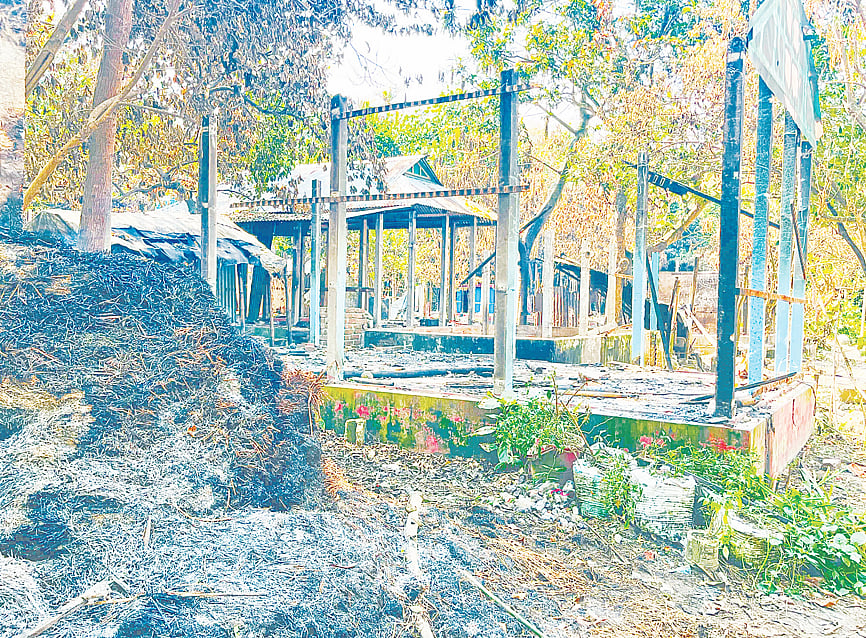
A series of three incidents in Bhairab has transformed what was initially a local conflict into a matter of national distress. Assistant Superintendent of Police (ASP) Abu Musa Sheikh of the Bhairab Circle stated that most of these clashes began unexpectedly. The escalation suggests underlying tensions that, once triggered, quickly spread beyond their original scope. The transformation from a localized dispute to a broader public issue indicates a potential breakdown in conflict resolution mechanisms or a significant amplification of the initial grievances. Further details on the nature of the three incidents and the specific reasons for their escalation are crucial to understanding the full scope of the problem. The involvement of the police, as noted by ASP Sheikh, highlights the severity and the need for intervention. The situation in Bhairab serves as a case study for how localized disputes can rapidly gain national attention, potentially due to factors like media coverage, social media amplification, or broader societal issues that resonate with the local conflict.
The rapid escalation of local disputes into issues of national concern in Bhairab warrants examination of the underlying systemic factors. Unexpectedly emerging clashes suggest potential deficiencies in community-level dispute resolution mechanisms or inadequate early warning systems for simmering tensions. The transition from local to national distress may be influenced by information dissemination dynamics, where events are amplified through media or social platforms, potentially overshadowing the original context. Understanding the triggers and the speed of escalation is key to developing more resilient community governance structures that can preemptively address grievances before they reach a critical mass. Future strategies should focus on strengthening local social cohesion and conflict management capacities to prevent localized incidents from becoming national burdens.
AI-generated to prompt reflection — not editorial opinion, not advice, not a statement of fact. How this works.