Local Economies, Not Centralized Spending, Drive Prosperity
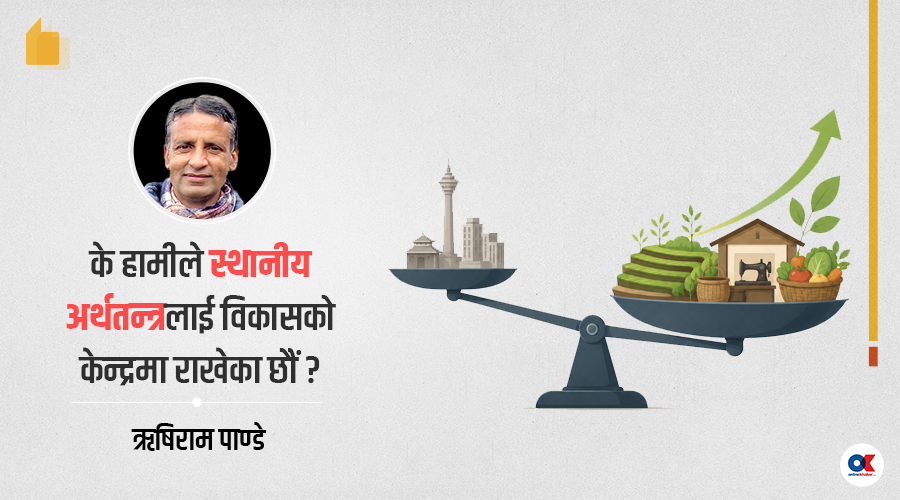
Nepal's development model has long focused on infrastructure and budget expenditure, but this approach has failed to strengthen the foundations of production, employment, and economic self-reliance. The nation's transition to federalism can only become a genuine driver of economic transformation if each local level effectively connects its own resources, skills, and potential with production, entrepreneurship, and market opportunities. This shift is crucial for building a robust and self-sufficient economy from the ground up.
Nepal's development trajectory highlights a common challenge where centralized infrastructure investment, while visible, may not translate into sustainable, grassroots economic growth. The emphasis on local resource utilization and market integration suggests a potential pivot towards a more decentralized and inclusive economic model. This approach could foster greater local autonomy and resilience, but its success will depend on effective governance, capacity building at the local level, and the creation of robust inter-local and local-to-national market linkages. The long-term viability hinges on whether these local initiatives can achieve economies of scale and compete effectively in broader markets, while also ensuring equitable distribution of benefits within communities.
AI-generated to prompt reflection — not editorial opinion, not advice, not a statement of fact. How this works.