Local Mobility Transition: Too Urban? What Transport Change Means for Rural Areas
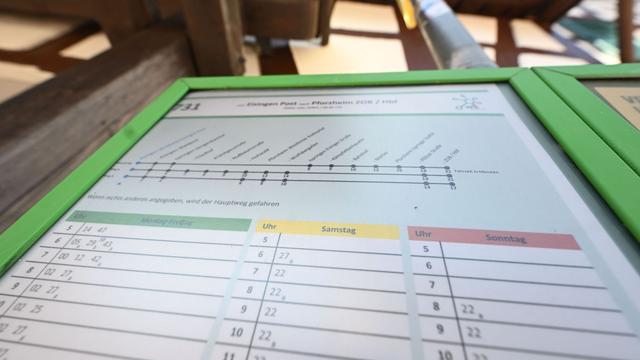
The concept of the 'mobility transition' (Mobilitätswende) is often perceived as primarily urban, leading to questions about its applicability and meaning in rural regions. This discussion highlights a potential disconnect between the planning and implementation of transport changes, which may be overly focused on city dwellers' needs and infrastructure. The core issue is whether the strategies developed for urban environments can effectively address the unique challenges and requirements of rural areas. These challenges often include greater distances, lower population density, and different commuting patterns. The article prompts a re-evaluation of how mobility solutions can be tailored to serve the specific contexts of the countryside. It suggests that a 'one-size-fits-all' approach may not be suitable for achieving a successful and equitable mobility transition across diverse geographical settings. The focus should be on understanding and adapting to the distinct mobility behaviors and infrastructure limitations present in rural communities.
The discourse surrounding the 'mobility transition' frequently centers on urban environments, potentially overlooking the distinct needs of rural populations. This urban bias may lead to policy frameworks that are ill-suited for regions with lower population density and greater travel distances. For a truly inclusive transition, planning must consider the unique logistical and economic constraints of rural areas. Future strategies should aim to foster localized, adaptable solutions that leverage existing rural infrastructure and community structures, rather than imposing urban models. This approach could enhance accessibility and sustainability by addressing the specific mobility patterns and challenges inherent to the countryside, ensuring that no community is left behind in the shift towards more sustainable transportation.
AI-generated to prompt reflection — not editorial opinion, not advice, not a statement of fact. How this works.