Local University Student Appointed to National Committee, Embracing "Community as Campus" Amidst Challenges
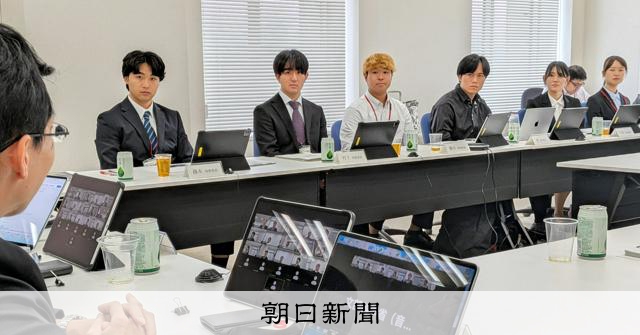
A student from a regional university in Japan has been appointed as a member of a national committee, signifying a new approach to integrating local educational institutions with broader societal development. This appointment aligns with the concept of viewing the "entire region as a campus," fostering a symbiotic relationship between the university and its surrounding community. The initiative aims to leverage the university's resources and student potential to address local issues and contribute to national policy discussions. While this represents a progressive step in higher education, acknowledging the challenges and potential hurdles is crucial for its success. The student's participation is expected to bring a fresh, ground-level perspective to the committee's deliberations. This model encourages students to engage actively with their environment, gaining practical experience and contributing to local revitalization efforts. However, the practical implementation of this concept may face obstacles such as ensuring adequate support for student involvement, balancing academic responsibilities with committee duties, and effectively integrating diverse stakeholder interests. The success of this model will likely depend on robust institutional frameworks and sustained commitment from both the university and the community.
The appointment of a regional university student to a national committee reflects a growing recognition of the value of diverse perspectives in policy-making, particularly from those directly experiencing local conditions. This initiative, framed as "community as campus," could foster greater civic engagement and practical learning for students, potentially leading to more relevant and effective regional development strategies. However, the sustainability of such programs hinges on robust institutional support structures that balance academic rigor with public service commitments. Future considerations should include mechanisms for knowledge transfer, ensuring student contributions are effectively integrated into policy outcomes, and addressing potential equity issues in access to such opportunities across different regions and institutions.
AI-generated to prompt reflection — not editorial opinion, not advice, not a statement of fact. How this works.