Lockerbie Bombing Case: New Documents Reignite Old Questions
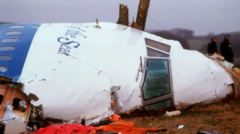
Over three decades have passed since Pan Am Flight 103 exploded over Lockerbie, Scotland, killing 270 people and becoming the deadliest bombing in British history. Despite the conviction of a Libyan intelligence officer in the case, doubts about the true perpetrators of the attack have persisted. Now, with the release of new documents reportedly obtained from Libya's intelligence services, long-standing questions are being revived. The 1988 disaster remains a deeply significant event, and the ongoing quest for full accountability continues to draw attention. The newly surfaced documents are expected to be examined closely by investigators and historians alike. Their potential to shed new light on the complex circumstances surrounding the bombing is a key point of interest. This development underscores the enduring impact of the Lockerbie bombing and the persistent pursuit of truth and justice.
The re-emergence of documents related to the Lockerbie bombing, over 30 years after the event, highlights the persistent challenges in achieving definitive closure for major international incidents. While the conviction of a Libyan intelligence officer addressed one aspect of the tragedy, the enduring questions suggest potential gaps in the original investigation or a deliberate obfuscation of facts. The release of new evidence, regardless of its origin or ultimate impact, prompts a re-evaluation of established narratives and underscores the importance of transparency in national security and intelligence matters. Future efforts to address such complex historical events may benefit from enhanced international cooperation and standardized protocols for evidence handling and declassification, ensuring that accountability and truth are pursued with maximum rigor.
AI-generated to prompt reflection — not editorial opinion, not advice, not a statement of fact. How this works.