Lockerbie Bombing Case: New Documents Revive Old Questions
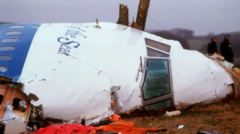
More than three decades have passed since Pan Am Flight 103 exploded over Lockerbie, Scotland, killing 270 people and becoming the deadliest bombing in British history. Despite the conviction of a Libyan intelligence officer in connection with the incident, doubts about the true perpetrators of the attack have persisted. Recently, new documents, reportedly obtained from Libya's intelligence services, have been released. These documents are said to have revived long-standing questions surrounding the bombing. The incident remains a significant event in British history, and the release of these new materials could potentially shed further light on the complex circumstances of the attack. The persistent questions highlight the enduring search for complete truth and accountability in the aftermath of such a devastating event. The implications of these new documents are yet to be fully understood, but they have undeniably reignited public and official interest in the case.
The Lockerbie bombing, a tragic event that claimed 270 lives, continues to be a subject of scrutiny over three decades later. The conviction of a Libyan intelligence officer has not fully resolved lingering questions about the attack's full scope and responsibility. The recent emergence of new documents purportedly from Libyan intelligence services has reopened these historical inquiries. This situation underscores the critical importance of transparency and thorough investigation in international security matters, especially when state-sponsored actions are suspected. The ongoing pursuit of clarity in such cases, even after significant time has passed, reflects a societal demand for comprehensive truth and justice. Future investigations will need to carefully assess the authenticity and implications of these new documents within the existing legal and geopolitical frameworks, considering how such information might influence historical narratives and future accountability mechanisms.
AI-generated to prompt reflection — not editorial opinion, not advice, not a statement of fact. How this works.