Lok Sabha to Discuss Anti-Paper Leak Bill Amidst Expected Disruption
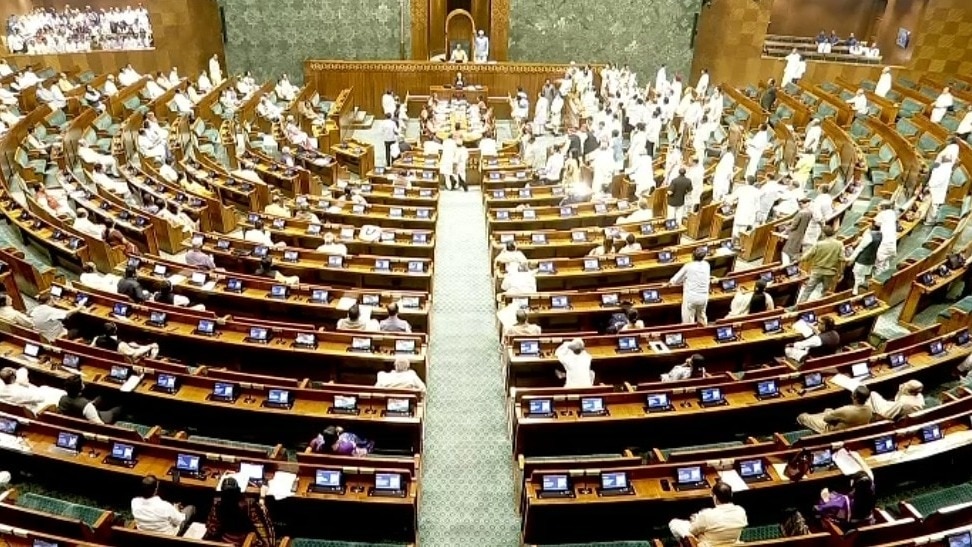
The Lok Sabha is scheduled to debate the Public Examinations (Prevention of Unfair Means) Bill, 2024, today. This significant anti-paper leak legislation was introduced in the Parliament on the previous day by Dr. Jitendra Singh, the Minister of State in the Prime Minister's Office. The bill aims to curb malpractices and irregularities that plague competitive examinations, particularly those conducted for government recruitment and admissions. The government has expressed its commitment to ensuring fairness and transparency in the examination process. Discussions are anticipated to be robust, with potential for significant debate and possibly disruptions, as is common during parliamentary sessions discussing critical legislation. The introduction of this bill marks a proactive step by the government to address widespread concerns regarding the integrity of public examinations. It is expected to provide a legal framework to deter individuals and organizations involved in leaking examination papers and manipulating results. The monsoon session of Parliament is currently underway, and this bill is a key item on its agenda.
The introduction of the anti-paper leak bill reflects a governmental response to persistent public concerns about examination integrity, a critical factor for meritocracy and social mobility in India. By establishing stricter penalties and legal deterrents, the legislation aims to bolster confidence in public recruitment and academic selection processes. The parliamentary discussion, potentially marked by disruption, highlights the ongoing tension between legislative intent and political dynamics. Future effectiveness will depend on robust enforcement mechanisms and the bill's capacity to adapt to evolving methods of unfair means, particularly in the digital age. This initiative underscores a broader trend of governments seeking to reassert control over information and opportunity structures amidst technological advancements.
AI-generated to prompt reflection — not editorial opinion, not advice, not a statement of fact. How this works.