Lome Floods: Public Works Engineer Calls for Sanitation Summit
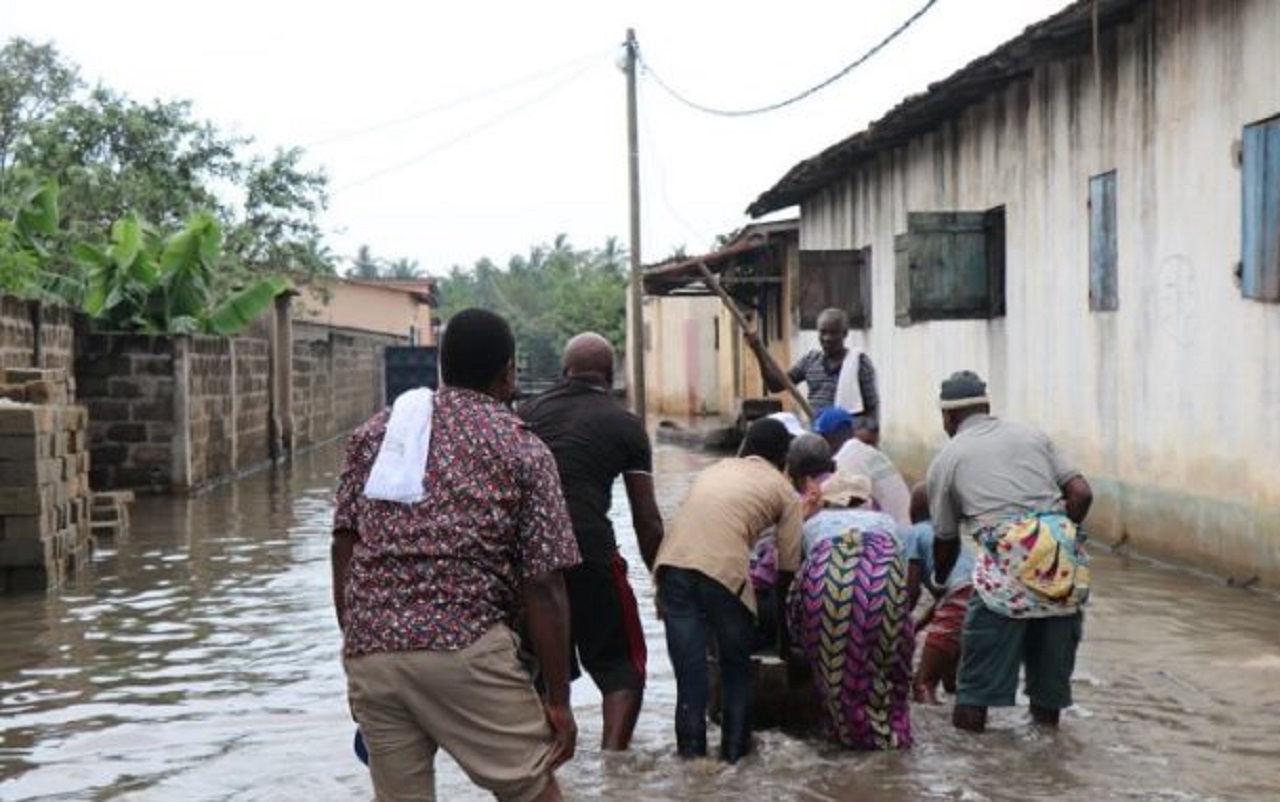
Following recent flooding in Lome, Togo, a public works engineer with extensive experience in Mauritania, Ivory Coast, Gabon, and Burkina Faso has called for a comprehensive national summit on sanitation. The engineer, whose name was not provided in the source, emphasized the urgent need to address the underlying causes of recurrent flooding in the capital city. He highlighted that the current infrastructure and management practices are insufficient to cope with the increasing frequency and intensity of rainfall, exacerbated by climate change and rapid urbanization. The proposed 'etats généraux de l'assainissement' (general states of sanitation) would aim to bring together all relevant stakeholders, including government officials, urban planners, environmental experts, and community representatives. The goal would be to develop a long-term, integrated strategy for improving Lome's drainage systems and waste management. This initiative seeks to move beyond temporary fixes and establish sustainable solutions to protect the city and its inhabitants from the devastating impact of floods.
The recurring floods in Lome underscore a critical challenge faced by many rapidly urbanizing coastal cities: inadequate infrastructure development that lags behind population growth and environmental changes. The call for a sanitation summit reflects a systemic recognition of the need for integrated urban planning, addressing not only drainage but also waste management and land use. From a forward-looking perspective, Lome's situation highlights the increasing vulnerability of developing nations to climate change impacts, necessitating proactive adaptation strategies. The effectiveness of such a summit will hinge on its ability to foster genuine collaboration between diverse stakeholders and translate recommendations into actionable, funded, and long-term policy commitments, rather than becoming a mere consultative exercise.
AI-generated to prompt reflection — not editorial opinion, not advice, not a statement of fact. How this works.
