Long COVID Fatigue Linked to Reactivated Herpes Viruses, Japanese Study Suggests
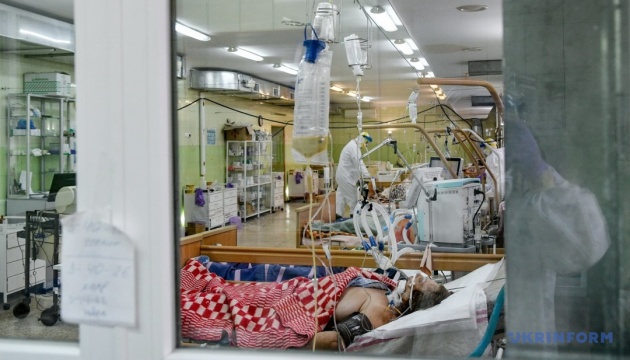
Japanese researchers have published findings suggesting a potential link between long COVID symptoms, such as persistent fatigue, and the reactivation of herpes viruses already present in the body. The study proposes that the SARS-CoV-2 virus may trigger dormant herpesviruses, leading to these lingering post-infection effects. This activation could explain why some individuals experience prolonged and debilitating symptoms weeks or months after their initial COVID-19 infection. The research highlights a complex interplay between viral infections and the human immune system. Further investigation is needed to fully understand the mechanisms involved and to develop targeted treatments for long COVID. This discovery opens new avenues for understanding the multifaceted nature of the disease and its long-term consequences.
This research explores a potential biological mechanism underlying long COVID symptoms, shifting focus from direct viral persistence to immune system responses and latent viral reactivation. Understanding how SARS-CoV-2 interacts with dormant herpesviruses could inform therapeutic strategies aimed at modulating the immune response or targeting reactivated viruses. Future research will likely investigate the prevalence of this phenomenon across diverse patient populations and explore the specific viral strains involved. This perspective prompts consideration of how chronic infections and immune dysregulation might be more broadly implicated in post-viral syndromes, suggesting a need for integrated approaches to managing complex health conditions.
AI-generated to prompt reflection — not editorial opinion, not advice, not a statement of fact. How this works.