Long-term interest rates hit new 30-year high, closing at 2.830%
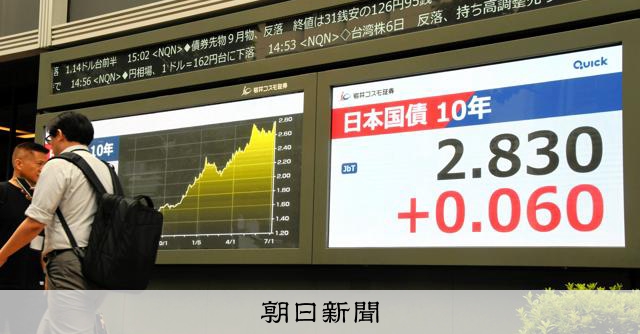
Japan's long-term interest rates reached a new high, closing the trading day at 2.830%. This figure marks a significant milestone, representing the highest level observed in approximately three decades. The persistent rise in long-term yields reflects ongoing shifts in the economic landscape and monetary policy expectations. Investors are closely monitoring these developments for potential impacts on various financial markets and the broader economy. The sustained upward trend suggests a reassessment of risk and return profiles within the fixed-income sector. Further analysis will be needed to understand the full implications of this sustained increase in borrowing costs.
The recent surge in long-term interest rates to a near 30-year high indicates a potential recalibration of market expectations regarding inflation and future monetary policy. This trend may reflect a growing consensus that sustained economic recovery or inflationary pressures necessitate a higher cost of borrowing. For policymakers, this presents a delicate balancing act: managing the potential benefits of higher yields for savers against the risks of increased debt servicing costs for governments and corporations, and the impact on asset valuations. The market's pricing in of these higher rates could signal a transition towards a new, potentially more volatile, interest rate environment, requiring strategic adjustments from investors and businesses alike to navigate the evolving financial landscape over the next decade.
AI-generated to prompt reflection — not editorial opinion, not advice, not a statement of fact. How this works.