Longevity Expert Explains Why Time Seems to Speed Up as We Age
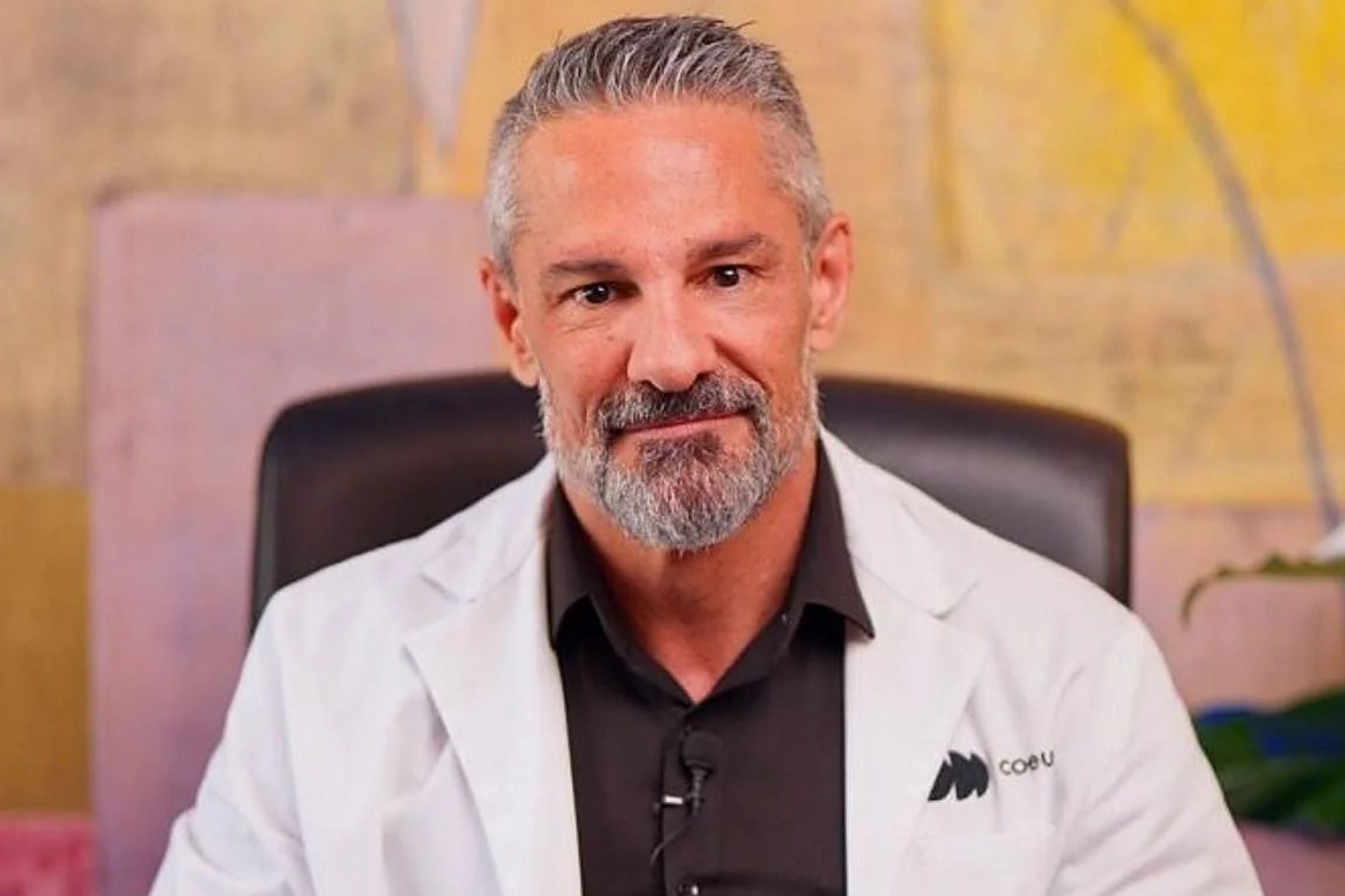
David Céspedes, a longevity expert, explains that the perception of time accelerating as we age is rooted in how our brain processes memories and routines. The lack of novelty and the repetition of daily activities significantly influence our nervous system's storage of memories, which in turn affects our subjective experience of time's passage. As we accumulate more experiences and fall into predictable patterns, the brain has less need to create new, distinct memories. This reduction in novel memory formation leads to a feeling that time is passing more quickly. Céspedes suggests that the brain's efficiency in processing familiar information contributes to this phenomenon. Therefore, the perceived speeding up of time is not an objective reality but a cognitive effect stemming from our internal processing mechanisms.
The subjective experience of time's passage is a fascinating intersection of neuroscience and psychology. As individuals age, the brain's processing of novel stimuli versus routine information shifts. This can lead to a cognitive compression of past events, making them feel more condensed and thus, faster. From a systems perspective, this phenomenon highlights the brain's adaptive mechanisms for efficiency; it prioritizes processing familiar data, which requires less cognitive load. However, this efficiency trade-off may diminish the richness of perceived lived experience over time. Future considerations might involve exploring how intentional engagement with novelty, even in later life, could potentially recalibrate this temporal perception and enhance subjective well-being.
AI-generated to prompt reflection — not editorial opinion, not advice, not a statement of fact. How this works.