Lorca's Secret Diaries Reveal Plans to Flee Spain with Lover
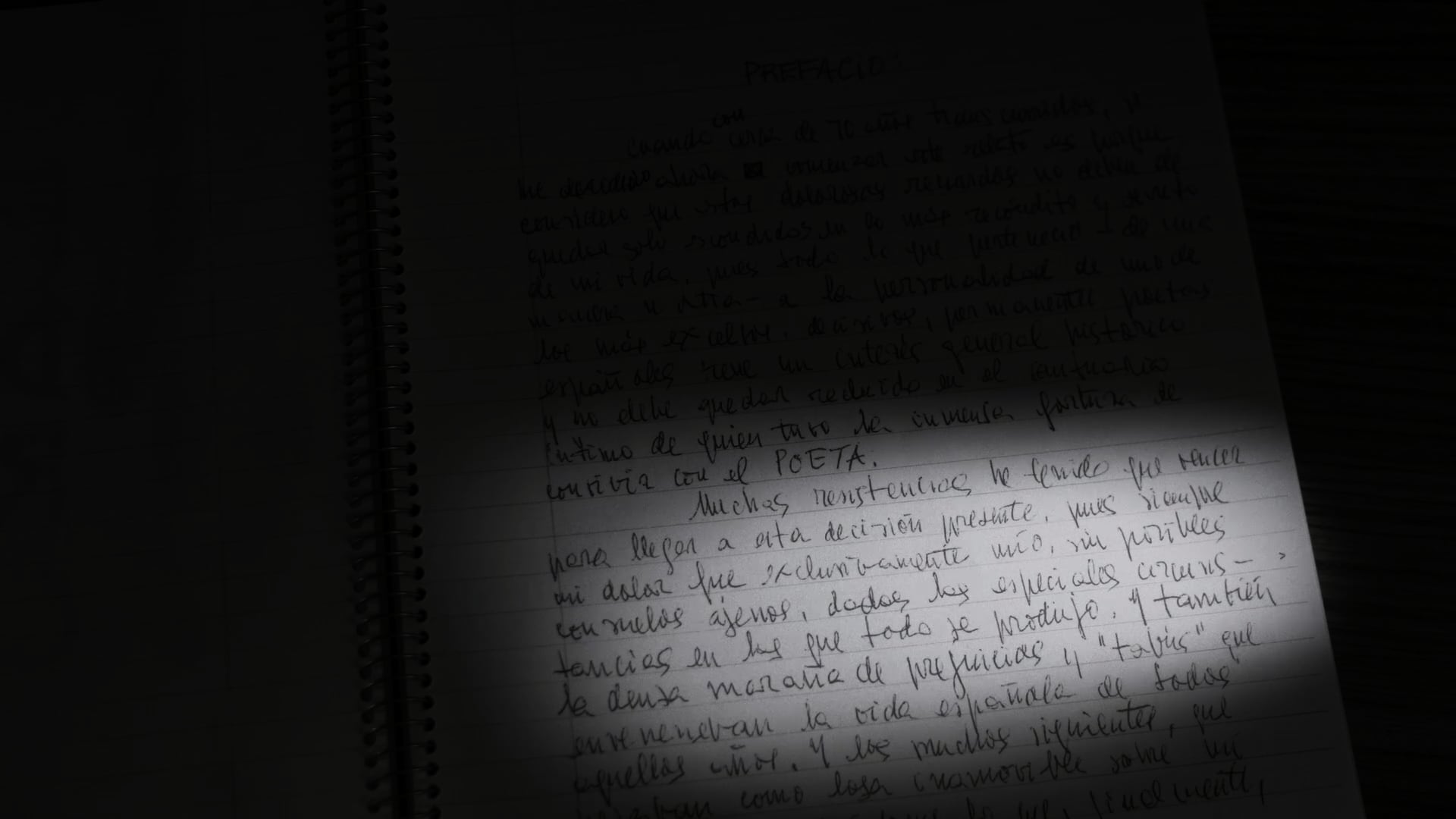
The Spanish newspaper EL PAÍS has revealed excerpts from the unpublished memoirs of Juan Ramírez de Lucas, the last love of the renowned poet Federico García Lorca. These writings detail Lorca's plans to leave Spain with Ramírez de Lucas, a plan tragically cut short by Lorca's assassination. Ramírez de Lucas describes his profound personal pain, stating, 'My pain was mine, with no possible consolations given the dense web of prejudices that poisoned Spanish life.' The poet and Ramírez de Lucas had intended to depart Spain together, seeking to escape the oppressive societal climate. The full documentation of these memoirs will be made available to the public in a new film by director Manuel Menchón. This revelation offers a poignant glimpse into Lorca's personal life and his aspirations for a future away from the political turmoil and social constraints of his time. The memoirs underscore the significant personal cost of the era's pervasive prejudices, which deeply affected individuals' lives and choices. The planned departure signifies a desire for freedom and a life unburdened by the societal norms and political dangers present in Spain.
The revelations from Juan Ramírez de Lucas's memoirs provide a critical lens on the societal and political pressures that impacted personal freedoms in Spain during that era. The documented desire of Federico García Lorca and Ramírez de Lucas to emigrate highlights the stifling effect of prevailing prejudices and the search for refuge in more tolerant environments. This historical context, viewed through the prism of the next decade's inevitable societal shifts, suggests that such personal aspirations for liberty were often in direct conflict with entrenched systemic structures. The analysis of these private documents, now brought to public light, serves to illuminate the broader human cost of intolerance and the systemic impediments to individual self-determination, prompting reflection on how societal progress is measured by its capacity to accommodate diverse lives and choices.
AI-generated to prompt reflection — not editorial opinion, not advice, not a statement of fact. How this works.