Los Angeles Squatters Accused of Using Fake Documents to Delay Evictions from Luxury Homes
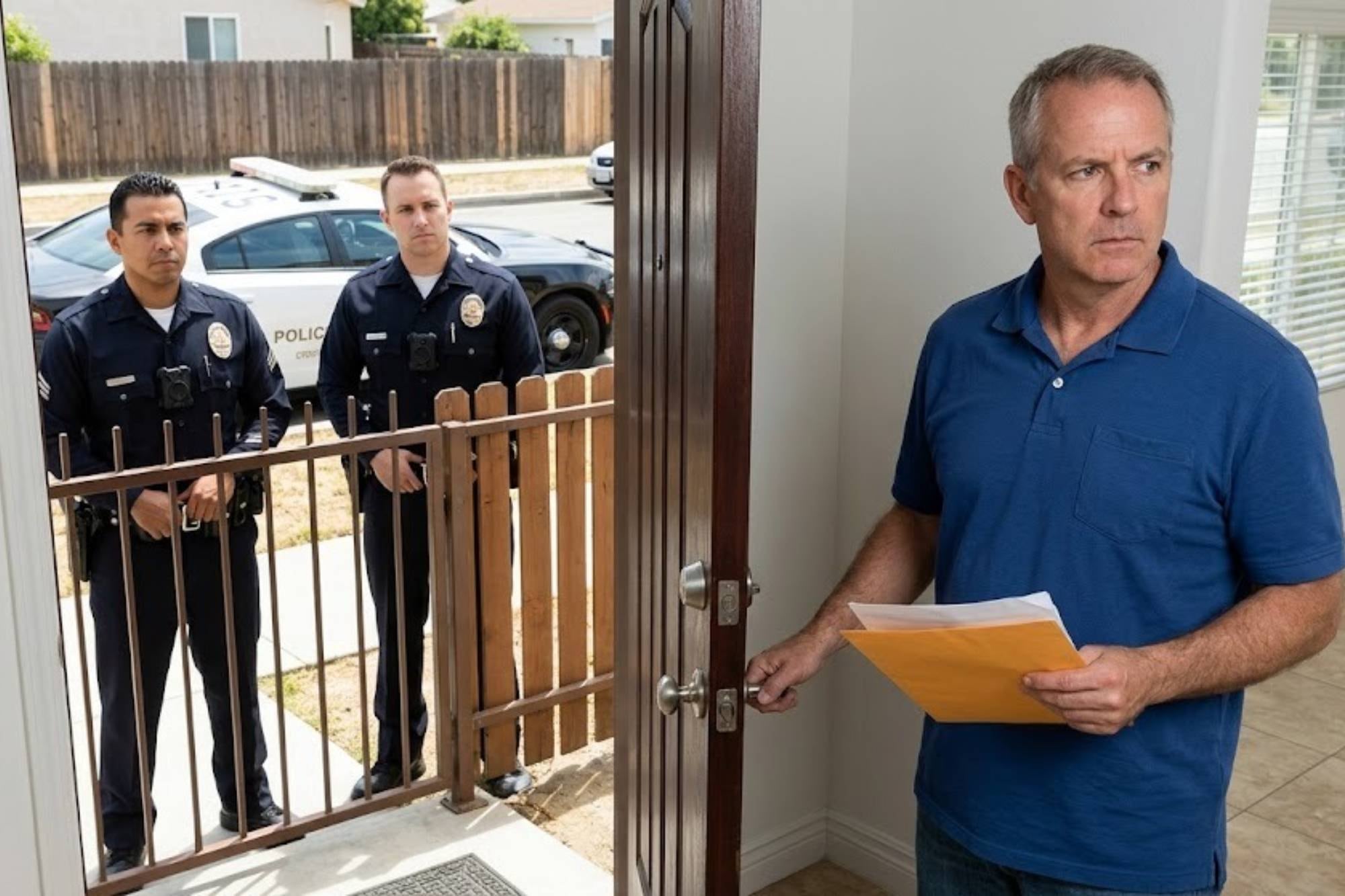
In Los Angeles, a concerning trend has emerged where individuals occupying properties illegally, known as 'okupas,' are allegedly using falsified documents to obstruct eviction processes. These individuals are reportedly targeting luxury residences, exploiting legal loopholes to prolong their unauthorized stays. The practice involves presenting forged paperwork to authorities, creating a significant hurdle for property owners seeking to reclaim their homes. This tactic aims to leverage the legal system's inherent delays, buying time and making the eviction process more arduous and costly for legitimate owners. The situation highlights a growing challenge for property rights and law enforcement in the region. Authorities are investigating these claims, seeking to understand the full scope of the fraudulent activities and their impact on the real estate market. The legal framework in California is being scrutinized to address these specific methods of obstruction. Property owners are facing significant financial and emotional distress due to these prolonged and deceptive occupation tactics.
The reported use of falsified documents by individuals occupying properties in Los Angeles to delay evictions from luxury homes points to a complex interplay between property law, enforcement challenges, and potential exploitation of legal processes. This situation may incentivize the development of more robust verification mechanisms within California's legal system to distinguish legitimate claims from fraudulent ones. Property owners and legal professionals may need to adapt strategies to counter such deceptive tactics, potentially leading to legislative or procedural reforms aimed at expediting resolutions for illegal occupations. The long-term implications could involve increased security measures for high-value properties and a re-evaluation of tenant protection laws in the context of fraudulent claims, balancing the rights of property owners with the need for due process.
AI-generated to prompt reflection — not editorial opinion, not advice, not a statement of fact. How this works.