Los Libertadores Border Crossing Closure Highlights Logistics Fragility
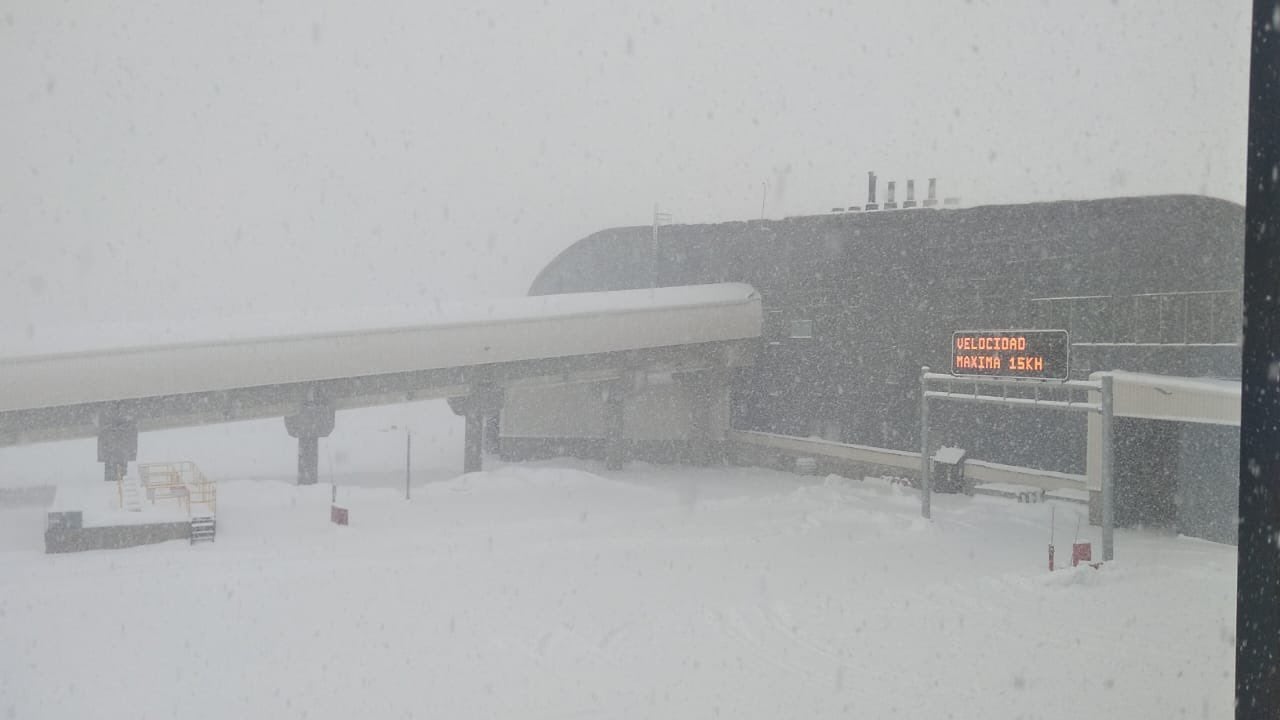
The recent closure of the Los Libertadores border crossing due to severe weather has exposed significant vulnerabilities in the logistical chain between Chile and Argentina. While weather-related closures are understandable and often unavoidable, the predictable collapse of the supply chain, particularly for trucks, is a recurring issue. The Los Libertadores pass is a critical artery, handling an average of 1,200 trucks daily, making it the primary land cargo route between the two nations. Improvements in traceability and border flow are possible without starting from scratch, focusing on refining existing authorization processes rather than imposing duplicative paperwork on transporters. Customs, in collaboration with SAG and customs agents, is working to expedite transit, but greater efficiency is still needed. A stark example involves a cargo shipment with sanitary approval that, upon diversion due to closure, requires cancellation of the initial paid process, initiation of a new one, a second payment, and a waiting period of up to 72 hours. This not only increases operational costs but also creates unnecessary traffic congestion and delays for already impacted shipments. The author argues that the border should not function as a bureaucratic bottleneck during adverse weather events. For modern logistics, more agile protocols are essential to adapt to such challenges without hindering transporters, customs agents, or paralyzing national and international trade.
The recurring logistical disruptions at the Los Libertadores border crossing, triggered by weather events, underscore a systemic inefficiency in cross-border trade infrastructure. The current system's fragility suggests a need to re-evaluate protocols, moving beyond reactive measures to proactive resilience-building. While weather is an exogenous factor, the cascading bureaucratic failures highlight internal process weaknesses. Future-proofing this critical trade route will likely involve technological integration for real-time status updates, streamlined digital authorization, and potentially alternative routing or temporary holding facilities that minimize the impact of temporary closures. The economic friction generated by these delays and duplicated administrative burdens warrants strategic investment in a more robust and adaptive cross-border management system, aligning with the demands of globalized supply chains in the digital era.
AI-generated to prompt reflection — not editorial opinion, not advice, not a statement of fact. How this works.
