Loss of control cited in plane crash that killed German researcher and pilot in Brazil
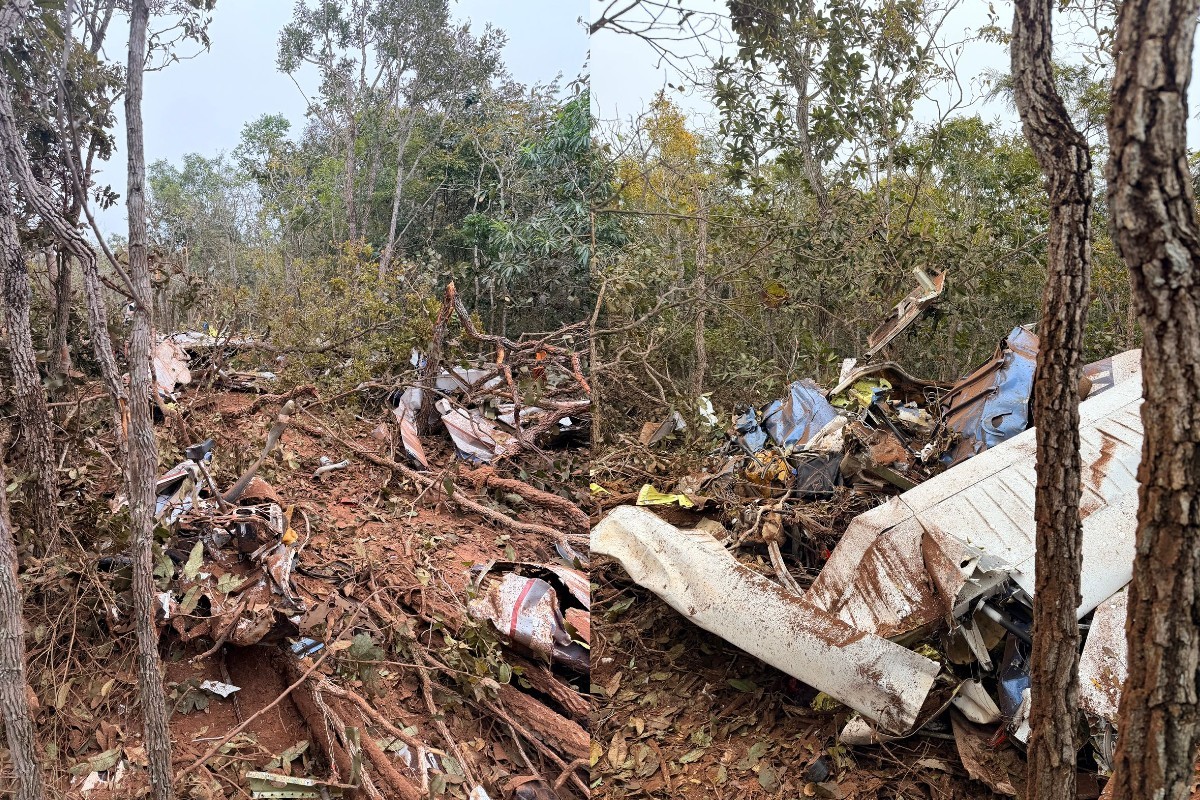
A preliminary report from Brazil's Center for Investigation and Prevention of Aeronautical Accidents (Cenipa) indicates a loss of control during flight preceded the crash that killed German researcher Lydia Möcklinghoff and pilot Henrique Martin. The incident occurred on July 3rd in Campo Grande, Mato Grosso do Sul. The aircraft, a 1983 EMB-810D bimotor, was destroyed upon impact. Investigators are considering strong fog present that morning as a potential factor, possibly causing spatial disorientation for the pilot. The plane had departed from Estância Santa Maria Airport en route to Aeródromo Fazenda Barranco Alto. Möcklinghoff was a renowned zoologist and science communicator internationally recognized for her long-term studies on the giant anteater in the Pantanal region. Her book about her experiences in the area was found among the wreckage. The airline, AMAPIL Táxi Aéreo Ltda., expressed deep sorrow and solidarity with the families, emphasizing their 52-year commitment to safety and cooperation with the investigation. The Civil Police's investigation is ongoing, with a preliminary report expected in the first half of the current month, focusing on weather conditions and the aircraft's mechanical aspects. The accident happened around 6:30 AM near Santa Maria Airport.
This report details a tragic aviation accident where loss of control is identified as a contributing factor, with weather conditions like fog and potential pilot disorientation being primary hypotheses. The investigation's focus on these elements highlights the critical interplay between environmental factors, human perception, and aircraft operation. The inclusion of the aircraft's age and model suggests that fleet age and maintenance protocols are relevant systemic considerations in aviation safety. The airline's statement emphasizes a commitment to safety and cooperation, underscoring the importance of transparency and accountability in accident investigations. Future analysis should consider how advancements in flight control systems and weather forecasting technologies can further mitigate risks associated with adverse conditions, particularly for older aircraft models operating in diverse environments.
AI-generated to prompt reflection — not editorial opinion, not advice, not a statement of fact. How this works.