Lost Byzantine-era city discovered by archaeologists in Egypt's New Valley
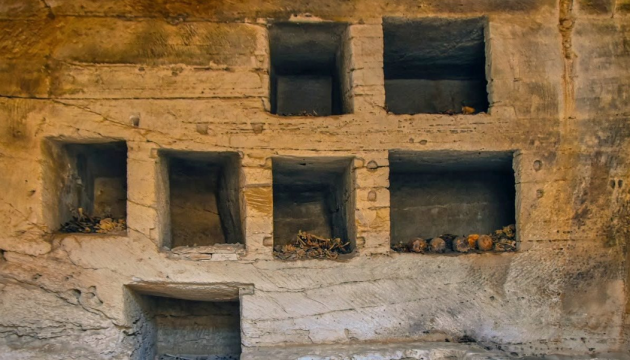
A group of archaeologists has unearthed a city from the Byzantine era that had been lost for centuries. The discovery was made in the desert of Egypt's New Valley province. The site represents a significant find, shedding light on a previously unknown settlement from this historical period. Further exploration is expected to reveal more about the city's inhabitants, its importance, and its eventual abandonment. The New Valley province, known for its vast desert landscapes, has yielded other important archaeological finds in the past. This discovery adds another layer to Egypt's rich and complex history. Researchers are eager to begin detailed studies of the unearthed structures and artifacts. The findings could provide crucial insights into Byzantine life and administration in Egypt. The exact age and size of the city are yet to be fully determined. This find underscores the potential for further discoveries in the region.
The discovery of a lost Byzantine-era city in Egypt's New Valley highlights the ongoing potential for uncovering historical settlements through archaeological exploration. Such finds offer valuable data for understanding regional development, trade routes, and cultural interactions during specific historical periods. The excavation process itself, while yielding significant historical insights, also presents logistical and preservation challenges in remote desert environments. Future research will likely focus on contextualizing this city within the broader economic and political landscape of the Byzantine Empire in North Africa, potentially revealing new perspectives on imperial administration and local life.
AI-generated to prompt reflection — not editorial opinion, not advice, not a statement of fact. How this works.