Loteca Lottery Results: 9 Winners for 14 Correct Guesses in Contest 1259
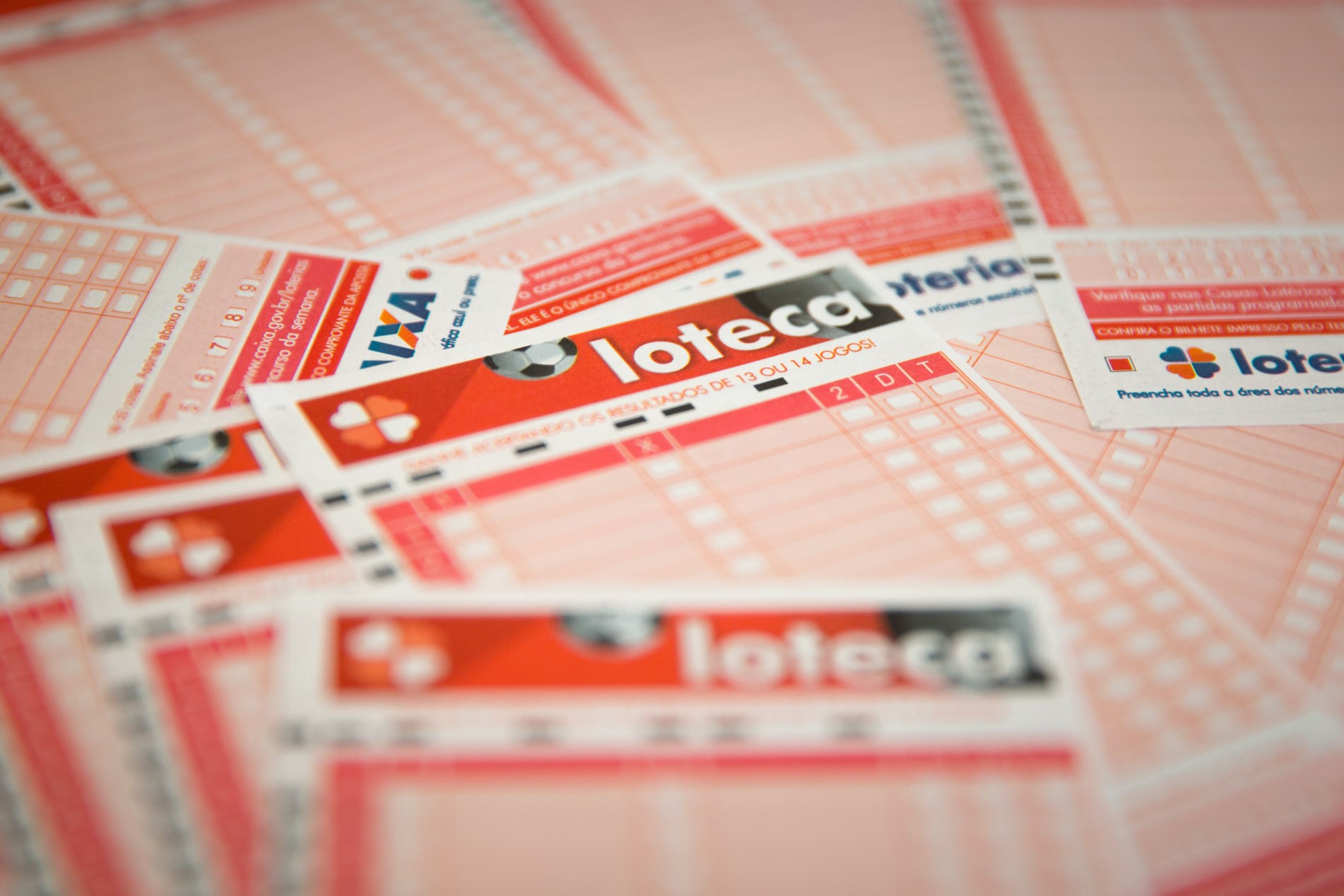
The Loteca lottery's 1259 contest, held on Friday, March 3rd, announced its results with 9 winning tickets for 14 correct predictions. Each of these top winners will receive R$ 260,572.09. Additionally, 557 tickets correctly predicted 13 out of 14 games, with each of these winners earning R$ 668.30. Due to the number of winners in the 14-correct-guess category, the Loteca jackpot did not roll over. The next drawing is scheduled for early next week. To play Loteca, participants select their predictions for 14 football matches, choosing between a win, loss, or draw. Players can enhance their chances by selecting 'doubles' (two possible outcomes for one match) or 'triples' (all three outcomes for one match), though this increases the ticket price. Bets close at 2 PM on Saturdays. Prizes are awarded for 14 and 13 correct predictions. The prize pool consists of 55% of the total revenue, with 70% allocated to 14-correct winners, 15% to 13-correct winners, and the remaining 15% distributed among 14-correct winners in contests ending in 0 or 5. This report was automatically generated using data from Caixa Econômica Federal.
This lottery result highlights the fixed prize structure of Loteca, where the jackpot does not roll over, ensuring prize distribution even without a perfect score. The system incentivizes participation by offering multiple tiers of rewards, balancing the allure of a large jackpot with the more attainable goal of a secondary prize. The pricing model, which scales with the number of 'doubles' and 'triples' selected, creates a dynamic where players can strategically manage risk and reward, influencing market participation. Looking ahead, the integration of such lottery systems with digital platforms and data analytics could offer new avenues for engagement and potentially refine prize structures based on participation trends and economic conditions.
AI-generated to prompt reflection — not editorial opinion, not advice, not a statement of fact. How this works.