Lotofácil Lottery: No Winner for Contest 3745, Jackpot Rises to R$9 Million
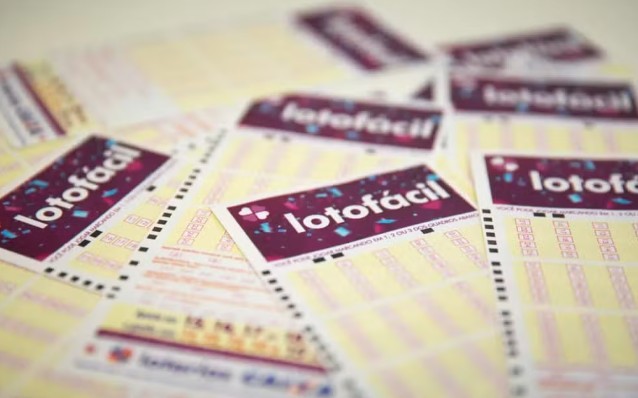
The Lotofácil lottery's contest 3745, held on Sunday, February 26th, did not yield a grand prize winner, causing the jackpot to roll over to an estimated R$9 million. The winning numbers drawn were 1, 2, 4, 5, 6, 7, 8, 9, 10, 12, 13, 19, 21, 22, and 24. While no one matched all 15 numbers, 223 players correctly predicted 14 numbers, each receiving R$2,630.98. Additionally, 9,654 players won R$35 for matching 13 numbers, and 131,316 players received R$14 for 12 correct numbers. A significant number of players, 762,137, won R$7 for matching 11 numbers. The next drawing is scheduled for Monday, February 27th. Lotofácil, administered by Caixa Econômica Federal, allows players to select between 15 and 20 numbers from a pool of 25, with prizes awarded for 11 to 15 correct matches. Players can also opt for the "Surpresinha" feature, where numbers are randomly chosen. The prize structure includes specific percentages for different tiers, with additional rollovers for special contests and those ending in zero.
This lottery outcome highlights the inherent probabilistic nature of games of chance, where the odds of winning the jackpot remain exceedingly low regardless of the number of participants or the prize amount. The accumulation of the prize pool is a designed incentive mechanism intended to drive future participation by increasing the perceived value of the jackpot. From a systemic perspective, lotteries represent a form of voluntary taxation, with revenue often directed towards public or private entities. The detailed prize structure, including varying payouts for different tiers of correct matches, serves to maintain engagement by offering more frequent, albeit smaller, rewards, thereby balancing the allure of a large jackpot with the satisfaction of smaller wins. The next drawing's increased jackpot will likely attract a surge in ticket sales, demonstrating a predictable response to enhanced potential financial reward within a fixed-odds system.
AI-generated to prompt reflection — not editorial opinion, not advice, not a statement of fact. How this works.