Lotofácil Lottery: Six Piauí Bets Match 14 Numbers in Contest 3730
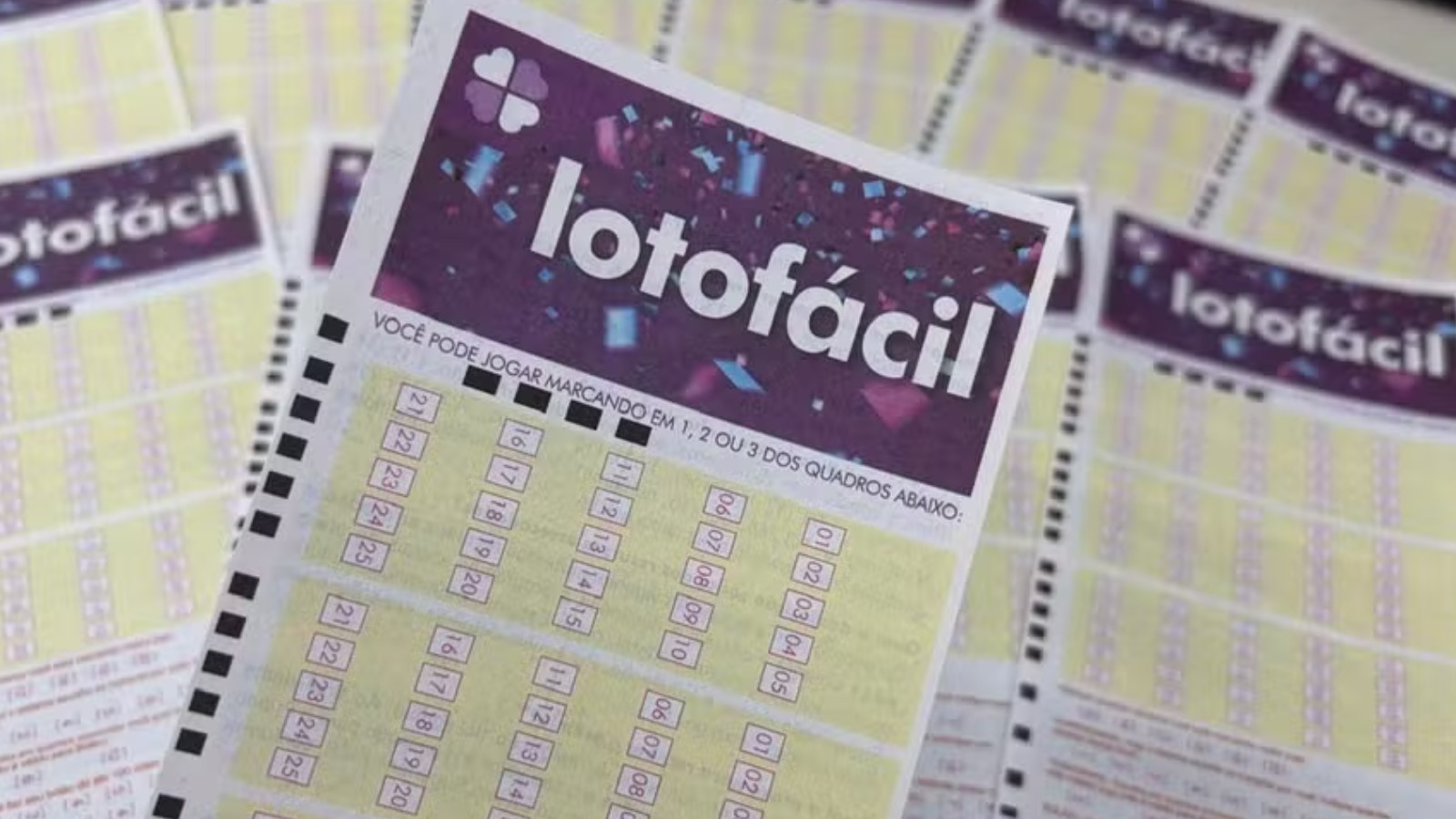
In the Lotofácil lottery contest 3730, held on Wednesday night, November 8th, in São Paulo, six bets placed in the state of Piauí successfully matched 14 numbers. The main prize, for correctly guessing all 15 drawn numbers, was awarded to four tickets purchased in São Paulo, Tocantins, Santa Catarina, and Paraná. The winning numbers for contest 3730 were 02, 03, 05, 06, 08, 11, 12, 13, 14, 15, 16, 19, 20, 21, and 24. The Piauí winners who matched 14 numbers hailed from Bom Jesus and Teresina, with five of these winning bets originating from Teresina, including one group bet comprising two winning entries. Each of these six Piauí bettors will receive R$ 1,941.80. In total, 436 tickets nationwide matched 14 numbers, each earning R$ 1,941.80. For the top prize of 15 correct numbers, four winners will each receive R$ 1,856,551.85. Lower prize tiers were awarded to 15,472 tickets for 13 correct numbers (R$ 35 each), 200,282 tickets for 12 correct numbers (R$ 14 each), and 1,075,766 tickets for 11 correct numbers (R$ 7 each). Lotofácil allows players to select 15 to 20 numbers from a pool of 25, with an option for a 'Surpresinha' where numbers are randomly chosen by the Caixa Econômica Federal. Prizes are awarded for matching 11 to 15 numbers, and the lottery holds six weekly drawings from Monday to Saturday at 9 PM.
This lottery result highlights the distribution of smaller prizes across multiple participants, contrasting with the significant jackpot awarded to a few. The concentration of 14-number wins in Piauí, particularly in Teresina, suggests localized engagement with the game. From a systemic perspective, lotteries like Lotofácil function as a form of voluntary taxation, channeling funds from a broad base of participants to prize pools and potentially government revenue. While offering entertainment and the allure of substantial financial gain, the odds of winning the top prize remain exceedingly low, underscoring the importance of responsible participation and financial literacy to manage expectations against the statistical probabilities inherent in such games of chance.
AI-generated to prompt reflection — not editorial opinion, not advice, not a statement of fact. How this works.