Lotomania Contest 2950 Results: No Grand Prize Winner, Jackpot Rolls Over to R$1 Million
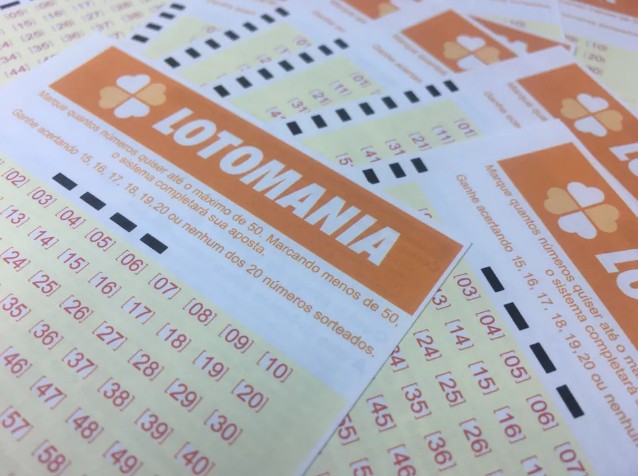
The Lotomania lottery's 2950th contest, held on Wednesday, November 15th, did not yield a grand prize winner for the 20-number jackpot, causing the prize to accumulate to R$1 million. The drawn numbers were 0, 4, 7, 9, 11, 23, 25, 26, 29, 36, 44, 48, 64, 65, 68, 73, 74, 78, 83, and 90. While no one hit the 20-number mark, there were winners in other categories. Four players matched 19 numbers, each receiving R$39,198.77. Thirty-six players with 18 correct numbers will each receive R$2,722.14, and 318 players with 17 correct numbers will get R$308.16 each. Additionally, 1,958 players with 16 correct numbers earned R$50.04 apiece, and 9,020 players who matched 15 numbers will receive R$10.86 each. No winners were recorded for the 0-number category. The next drawing is scheduled for Friday, November 17th. Lotomania requires players to select 50 numbers from 100, with a R$3 cost per bet. Prizes are awarded for 20, 19, 18, 17, 16, 15, or zero correct numbers. The prize distribution allocates 45% to 20-number winners, 16% to 19-number winners, and decreasing percentages for lower tiers, with 8% designated for zero-number winners. If no 20-number winner exists, that prize pool rolls over to the next 20-number jackpot.
This Lotomania drawing highlights the probabilistic nature of large-scale lotteries, where the accumulation of jackpots is a designed feature to incentivize participation. The distribution of prizes across multiple tiers, including a payout for zero correct numbers, serves to broaden the appeal and perceived winnability of the game. From a systemic perspective, lotteries like Lotomania represent a form of voluntary taxation, where the state, through entities like Caixa Econômica Federal, generates revenue from public participation. The odds of winning the grand prize remain exceedingly low, underscoring the entertainment value and aspirational aspect rather than a reliable financial strategy for participants. Future iterations of such games may integrate digital engagement more deeply, potentially altering player interaction and prize structures in response to evolving technological landscapes and consumer behaviors.
AI-generated to prompt reflection — not editorial opinion, not advice, not a statement of fact. How this works.