Lottery ticket worth $29 million: Dispute over prize storage and ownership in Brazil
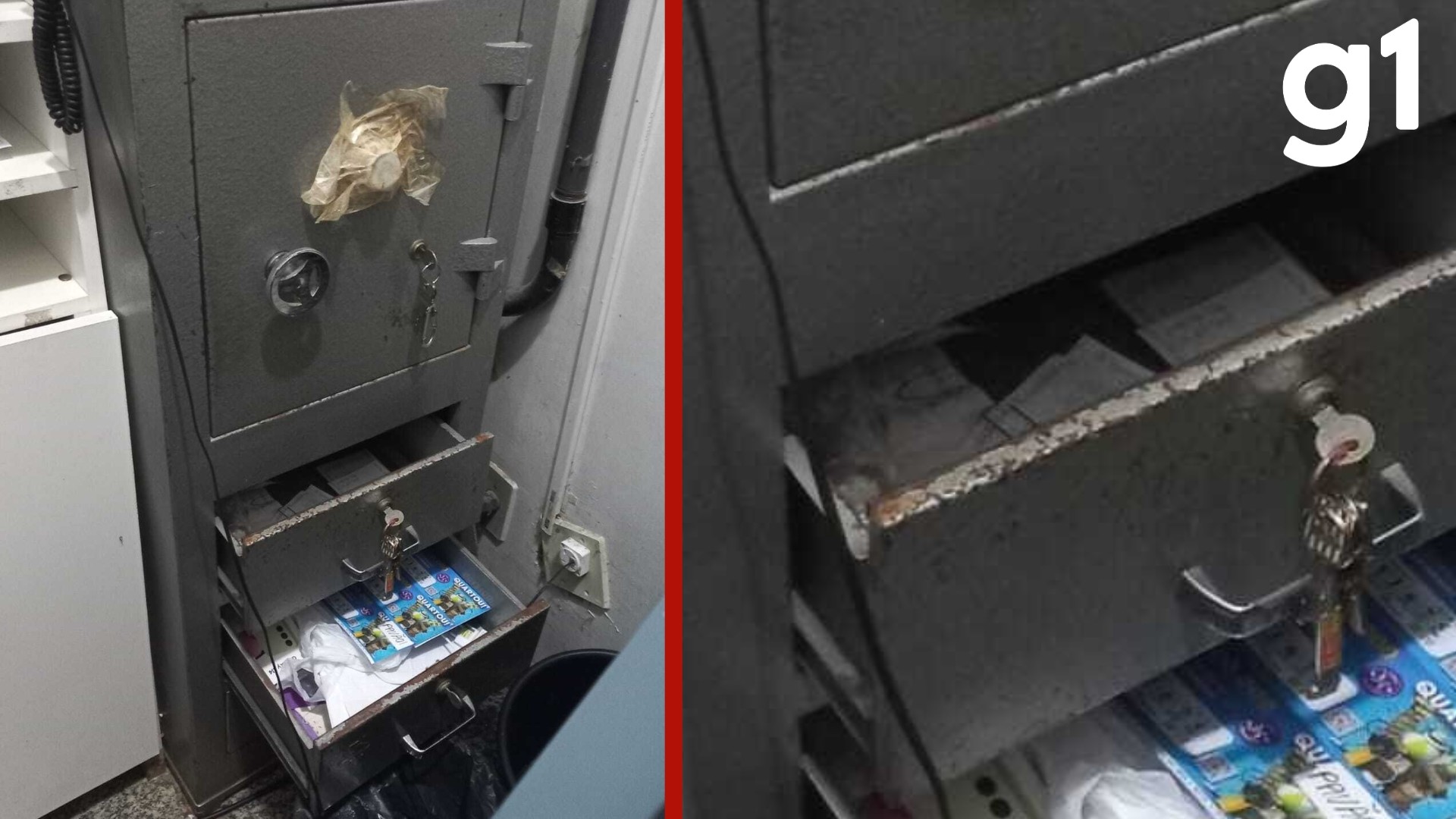
A couple in Sinop, Mato Grosso, Brazil, is suspected of stealing a winning Mega-Sena lottery ticket valued at R$ 29 million (approximately $5.8 million USD). The lottery agency claims the ticket, which was printed with a defect and not canceled, became company property when stored in what they called a safe. However, the couple's defense argues that the storage area was merely a metal structure for personal belongings, not a secure safe, and that the employee who handled the ticket often kept her personal items there. Former employees corroborated this, stating they also stored personal items in the same compartment. The defense further contends that if a defective ticket is not refunded or canceled, the cost is deducted from the employee's salary, making the employee the de facto owner of the bet. The lottery agency, citing operational rules, asserts that only tickets over R$ 10 can be officially canceled, and this R$ 6 ticket was not. The employee reportedly kept the defective R$ 6 ticket, discovered it was a winner, and then she and her husband resigned. The husband subsequently claimed the prize, leading to the owners' suspicions and a police investigation. The Superior Court of Justice (STJ) ruled that the crime of theft was consummated when the ticket was removed from the lottery's possession, as the financial cost of the defective ticket was borne by the lottery owners. The prize money remains frozen by the court since 2023 pending the legal proceedings.
This case highlights the critical importance of clear protocols and secure storage for high-value assets in retail environments. The dispute centers on the definition of 'property' and 'possession' when a defective product, which incurs a financial cost to the vendor, is involved. The legal interpretation hinges on whether the employee's action of retaining the ticket constituted theft at the moment of taking it, or if ownership was ambiguous due to the defective nature and the alleged common practice of employees retaining such tickets. Future considerations for lottery operators and similar businesses might include implementing stricter inventory controls for all tickets, regardless of value, and establishing unambiguous policies on the handling of defective or unredeemed items to prevent such disputes and potential losses.
AI-generated to prompt reflection — not editorial opinion, not advice, not a statement of fact. How this works.