Loungewear: How Comfort Became a Permanent Fixture in Fashion
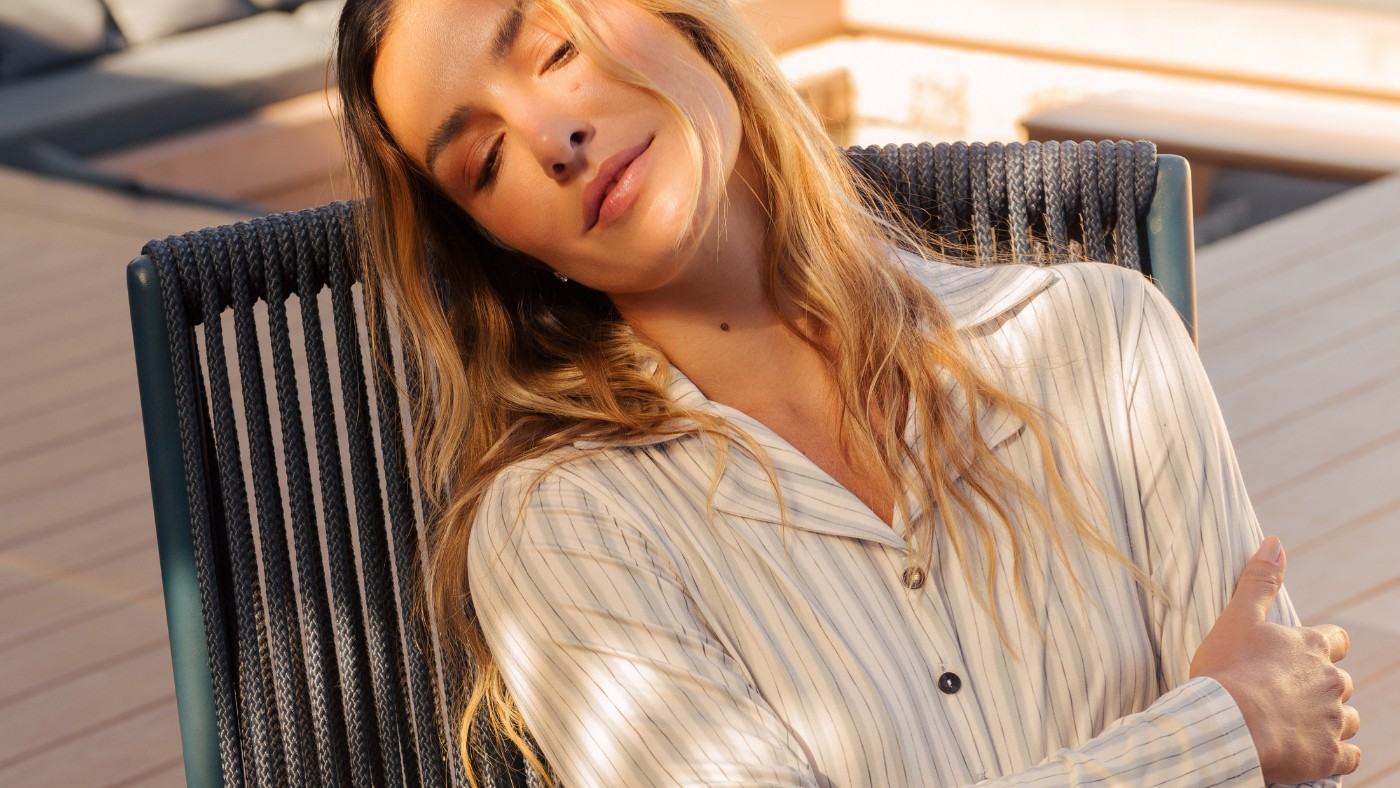
In recent years, a significant shift has occurred in fashion, blurring the lines between clothing for different daily activities. Consumers now seek versatile pieces that can transition seamlessly from working at home to casual outings, travel, or receiving guests, reflecting a more dynamic lifestyle. This evolution goes beyond a preference for soft fabrics, indicating a demand for clothing that offers both style and comfort, freedom of movement, adaptability to various commitments, and all-day wearability. The rise of remote and hybrid work, coupled with unpredictable schedules, has made the need to change outfits multiple times a day less desirable.
This context has propelled loungewear from a niche category to a celebrated fashion staple. Loungewear is defined as clothing designed for home wear, offering superior comfort to everyday clothes but with a more refined finish, cut, and aesthetic than sleepwear. While the concept has existed for decades, its global prominence surged recently, driven by the widespread adoption of remote work. This trend emphasizes pieces that can be worn in various settings without appearing out of place, encompassing coordinated sets, wide-leg pants, light blouses, robes, and cardigans.
The fashion industry has responded by prioritizing fluid designs, advanced fabrics, sophisticated finishes, and cuts that allow for movement, mirroring the attention previously given to formal or evening wear. Loungewear is distinguished by its soft, breathable fabrics, non-restrictive cuts, and elegant finishing. Coordinated sets are a key feature, simplifying outfit creation and enhancing versatility. This trend is sustained by a fundamental change in consumer habits, valuing practicality, functionality, and long-lasting quality over disposable fashion, aligning wardrobes with contemporary needs for comfort, style, and efficiency.
The ascendance of loungewear signifies a profound recalibration of consumer priorities, moving beyond mere aesthetic trends to address fundamental shifts in daily life and work structures. The integration of comfort and style reflects a growing emphasis on personal well-being and functional efficiency within wardrobe choices. This evolution highlights a potential systemic contradiction in traditional fashion, which often prioritized distinct attire for specific, often rigid, social or professional contexts. As hybrid work models and flexible lifestyles become more entrenched, the market is incentivized to favor adaptable, high-quality garments that offer enduring value and versatility. This trend suggests a future where clothing's primary role may increasingly be to support, rather than dictate, the wearer's dynamic activities, fostering a more integrated and less compartmentalized approach to personal presentation.
AI-generated to prompt reflection — not editorial opinion, not advice, not a statement of fact. How this works.