Louvre Director Unveils Major Renovation Plan Following Jewel Heist
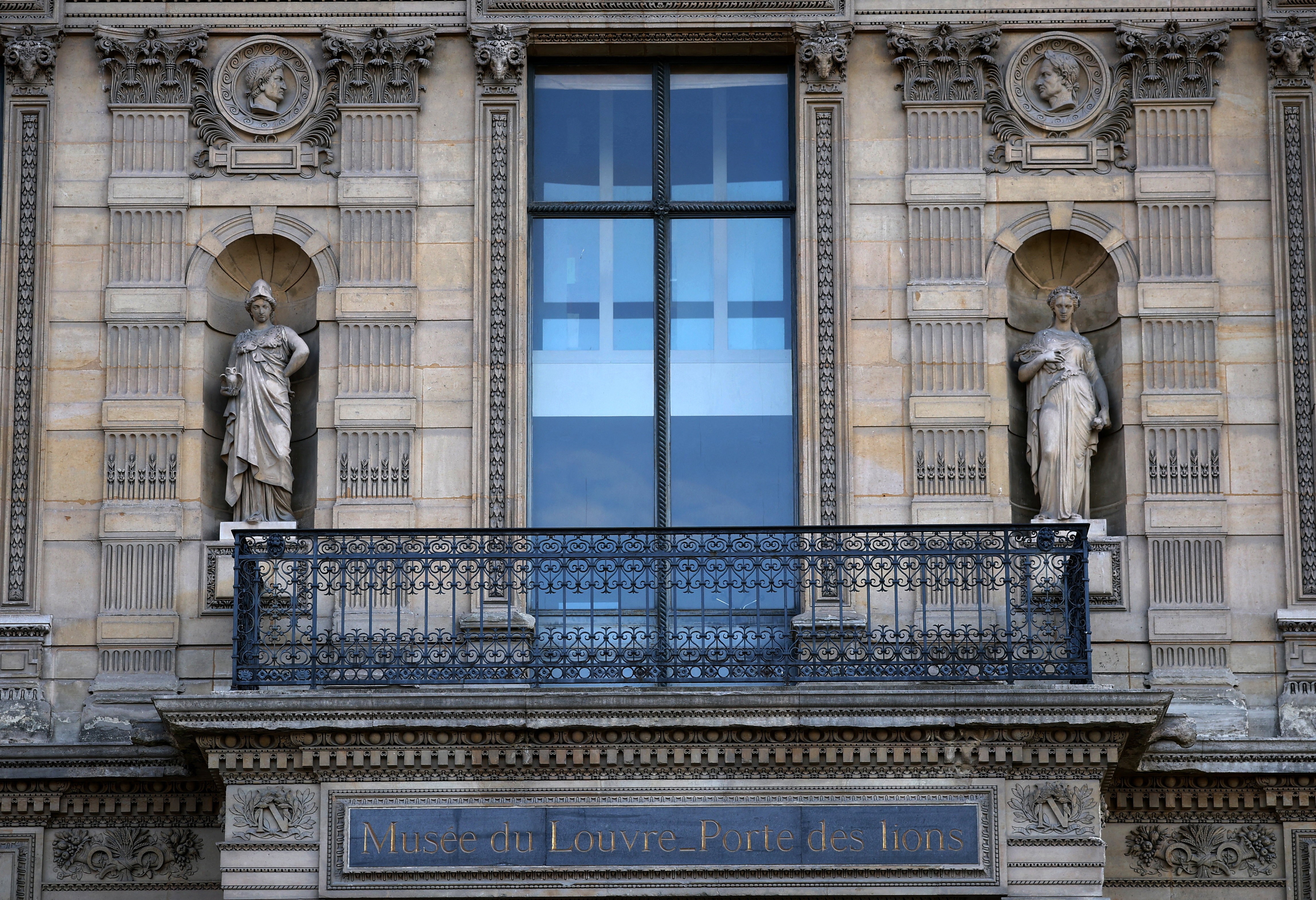
Christophe Leribault, the new president of the Louvre, has announced a significant 1 billion euro plan to address security flaws and infrastructure issues at the world's most visited museum. This initiative follows a brazen heist in October 2025, where eight Crown jewels were stolen from the Galerie d'Apollon. The gallery, which has been closed since the incident, is set to reopen on Wednesday, September 22nd, nine months after the theft. The robbery exposed critical security vulnerabilities, prompting a crisis within the institution that attracts approximately 9 million visitors annually. Leribault, appointed in February, revealed that the renovation will extend beyond artifact protection to include necessary adaptations for climate control, as many spaces, including his own office, suffer from inadequate air conditioning, leading to room closures during heatwaves. The police investigation into the theft of the Crown jewels is ongoing, and Leribault expressed hope for their recovery while acknowledging the need for a comprehensive security overhaul, including new cameras and reinforced entrances. He is seeking 360 million euros in donations within a year to fund the reform, recognizing the challenging economic climate for state or private funding and appealing for international solidarity. Leribault issued a stark warning, stating that without the support of the next government, the Louvre could be 'forced to close its doors'.
The Louvre's security lapse and subsequent renovation announcement highlight the persistent challenge of safeguarding invaluable cultural heritage in the face of sophisticated criminal activity. The substantial investment planned underscores the critical need for robust security infrastructure, which must evolve alongside technological advancements and potential threats. The director's warning about potential closure due to governmental support underscores the precarious financial dependence of major cultural institutions and the complex interplay between state funding, public access, and preservation mandates. Looking ahead, the incident and the proposed solutions offer a case study in institutional resilience, emphasizing the necessity for adaptive governance models that can anticipate and mitigate risks, ensuring the long-term viability of cultural treasures in an increasingly unpredictable global landscape.
AI-generated to prompt reflection — not editorial opinion, not advice, not a statement of fact. How this works.