Louvre Heist Organizer Unhappy with 'Loot,' Believed More Could Be Stolen
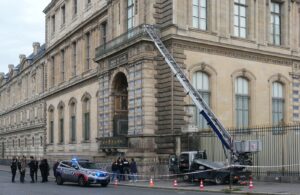
Two men suspected of stealing jewelry valued at 88 million euros from the Louvre Museum in Paris last October have reportedly told investigators that the heist's organizer was dissatisfied with the haul. The organizer allegedly believed that the group could have taken more items. French newspaper Le Monde published transcripts from the interrogations of the suspects, identified as Abdoulaye and another individual. The report, citing The Guardian, highlights the organizer's apparent greed and dissatisfaction despite the significant value of the stolen goods. This detail emerged during the investigation into the sophisticated theft that occurred in October. The suspects' statements suggest a level of internal conflict or unmet expectations within the criminal group regarding the operation's success. The investigation is ongoing, focusing on recovering the stolen artifacts and bringing all involved parties to justice.
This incident highlights the complex motivations behind high-value art and jewelry theft. While the immediate focus is on the criminal act and recovery of assets, the organizer's alleged dissatisfaction suggests a potential disconnect between planning and execution, or perhaps an underestimation of the security measures and potential value within the targeted location. From a systemic perspective, such events underscore the continuous arms race between security protocols in cultural institutions and the evolving sophistication of criminal enterprises. The reported dissatisfaction also points to internal group dynamics and risk assessment, where perceived success can be subjective and influenced by factors beyond the monetary value of the stolen items. Future security strategies may need to consider not only preventing breaches but also understanding and anticipating the psychological drivers of perpetrators.
AI-generated to prompt reflection — not editorial opinion, not advice, not a statement of fact. How this works.